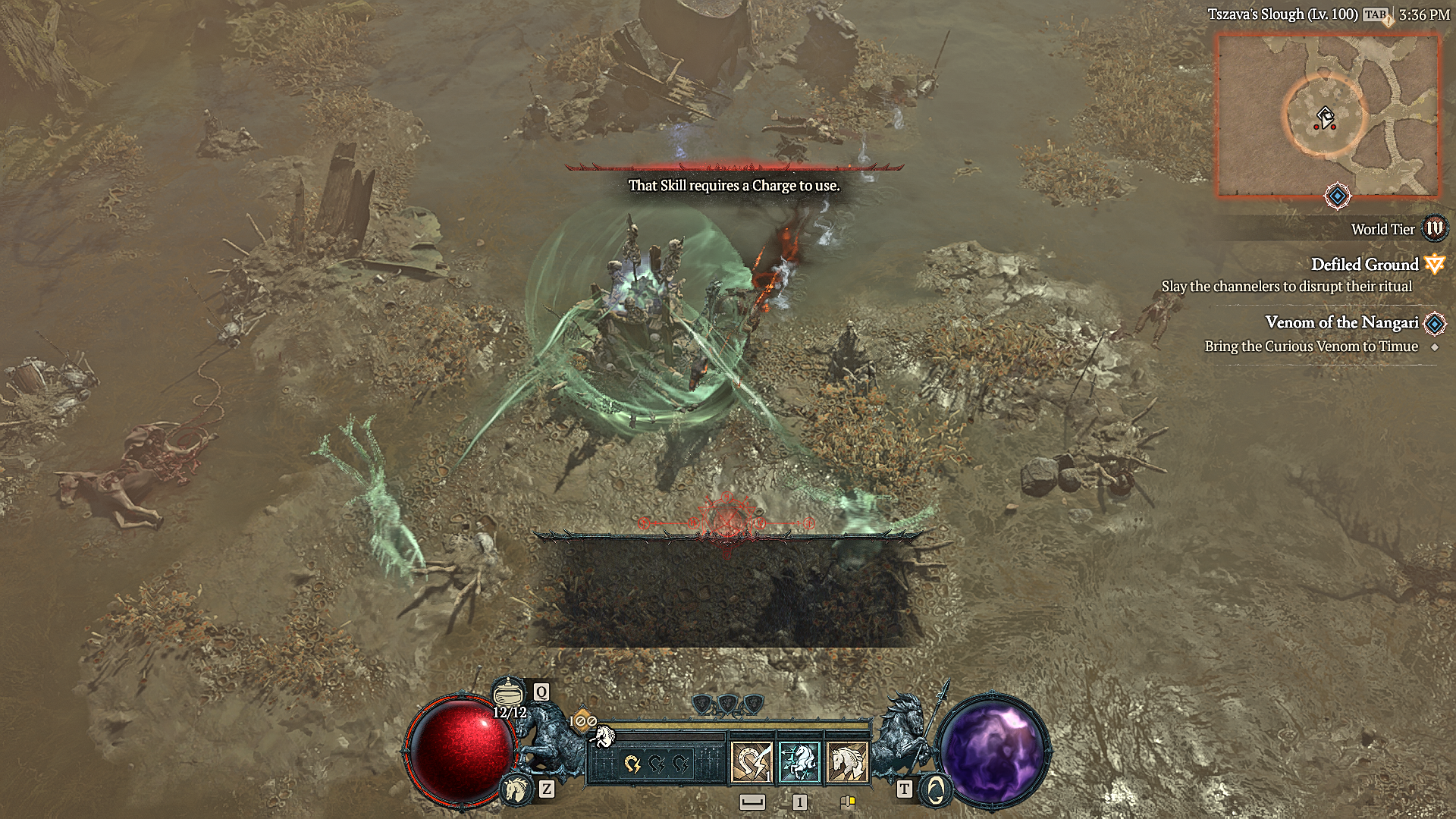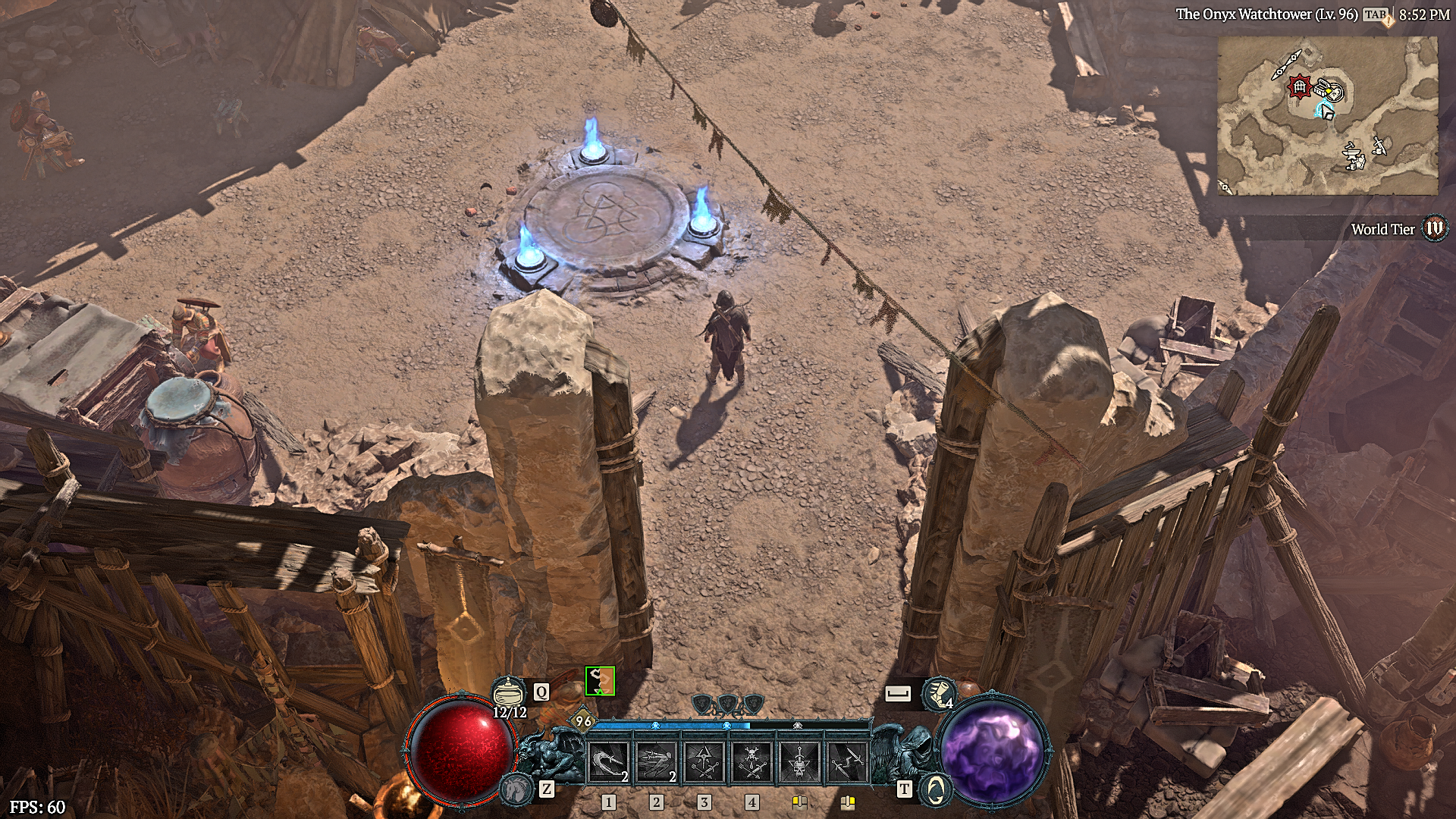
You’ve battled through the hordes, you’ve conquered the Prime Evils, but do you truly know the lore behind Diablo 4? Unearth the intricate mythology, meet the noteworthy characters and factions, and journey through the expansive realm of Sanctuary. Dive into the significant events that set the stage for this epic saga. Let’s decipher the enigmatic cinematics together. Ready to unravel the story? Let’s dive deep into the rich and complex lore of Diablo 4.
Key Takeaways
- Diablo 4 offers a dark and chilling universe with intricate lore and historical context surrounding demonic entities.
- The game’s hauntingly beautiful soundtrack enhances the sense of dread and foreboding, immersing players in the atmospheric world.
- The diverse cast of characters and factions in Diablo 4 shape the adventure, with character evolution impacting gameplay and the world.
- The realm of Sanctuary in Diablo 4 is a teeming land filled with unique lore and legends, from shadowy groves to once-bustling cities, all tainted by Diablo’s influence.

The Mythos of Diablo 4
In your journey through the mythos of Diablo 4, you’ll encounter a myriad of demonic entities, each with its own unique historical context and lore intricacies. This dark, chilling universe is brought to life not just through its elaborate narrative, but through its hauntingly beautiful soundtrack and innovative gameplay mechanics as well.
The Diablo 4 soundtrack serves as an ambient backdrop, enhancing the sense of dread and foreboding that permeates the game’s world. The eerie melodies, ominous drumbeats, and sinister orchestration all contribute to an immersive auditory experience that sets the tone for your encounters with the grotesque and malevolent creatures of the underworld.
Meanwhile, the gameplay mechanics of Diablo 4 are designed to make your odyssey through Hell feel all too real. Whether you’re casting spells, wielding weapons, or navigating treacherous terrains, each action is intuitive and responsive, making you feel like you’re truly grappling with the forces of darkness. The demon-slaying mechanics, in particular, provide a visceral thrill as you vanquish your foes and progress further into the abyss.
Noteworthy Characters and Factions
Often, you’ll find yourself interacting with a diverse cast of characters and factions that significantly shape your Diablo 4 adventure. You’ll encounter heroes, villains, and creatures with complex stories and compelling motivations.
Character Evolution is a key element in Diablo 4. As your journey unfolds, characters develop and transform, their narratives intertwining with yours. This progression isn’t just cosmetic; it impacts gameplay and shapes the world around you. For instance, the sorceress Lilith, once a benevolent guide, becomes a formidable foe as the game progresses.
Faction Dynamics also play a crucial role in shaping the game’s narrative. Factions like the demon-worshipping cultists or the angelic High Heavens aren’t merely set dressing. They have their agendas, power struggles, and internal politics influencing the game’s events. Your actions can swing the balance of power, leading to distinct consequences and shaping the story’s direction.
In Diablo 4, every character you meet, every faction you encounter, isn’t just a part of the backdrop. They’re essential pieces of a grand, intricate tapestry, interwoven to form a rich, detailed world that’s as immersive as it is engaging.
The Realm of Sanctuary Explored
As you delve deeper into Diablo 4, you’ll find yourself drawn into the intricacies of the Realm of Sanctuary, a land teeming with its own unique lore and legends. Sanctuary’s landscapes are a diverse blend of foreboding underworlds, mystical forests, and sprawling cities, each with their own stories to tell.
You’ll navigate through these territories, witnessing firsthand Diablo’s influence etched into every corner. The demon’s presence has tainted the lush forests, turning them into shadowy groves filled with lurking beasts. The once-bustling cities now stand as gloomy reminders of a time before Diablo’s reign, their grandeur diminished under the weight of fear and despair.
The underworlds, on the other hand, are a direct manifestation of Diablo’s malevolent power. You’ll encounter a host of monstrous creatures, each more terrifying than the last, a testament to Diablo’s dreadful creativity. The very air in these areas is thick with menace, the darkness almost palpable.
Understanding these landscapes, their history, and how they’ve been shaped by Diablo’s influence, is a key part of immersing yourself in the world of Diablo 4. It’s through exploring Sanctuary that you’ll fully grasp the game’s intricate lore.
Significant Events Preceding Diablo 4
Before you can fully understand the narrative of Diablo 4, it’s essential to delve into the significant events that unfolded prior to the game’s timeline. The world of Sanctuary, a realm relentlessly tormented by the Eternal Conflict between the High Heavens and the Burning Hells, was the theater of several consequential events.
Through a careful prequel analysis, you’ll see the events that led to the downfall of the Prime Evils and the subsequent shattering of the Worldstone. This event had immense consequences, reshaping the realm and sowing the seeds of chaos for the future. The Angel of Death, Malthael’s attempt to eradicate humanity, was another pivotal event, which resulted in Sanctuary’s near destruction.
Finally, the rise and fall of the Nephalem, the progeny of Angels and Demons, significantly altered the balance of power. Their legacy left a profound effect on Sanctuary, setting the stage for the events of Diablo 4. These event consequences form the crux of the narrative, providing the backdrop against which the new game unfolds.
This sets the stage for our next discussion on the interpretation of Diablo 4’s cinematics.
Interpretation of Diablo 4’s Cinematics
Diving into the cinematics of Diablo 4, you’ll find a rich tapestry of symbolic imagery and layered narratives that continue the story from the previous events we’ve discussed. The cinematic symbolism isn’t just for aesthetics; it’s integral to understanding the game’s lore and plot.
The opening cinematic, for example, introduces you to the game’s dark, Gothic world through visual storytelling. The cathedral’s ruins, the bloodied sacrifice, and the haunting summons of Lilith all carry symbolic meanings. They’re not just random visuals; they’re narrative threads that weave the world of Diablo 4.
Each character’s appearance, too, is rife with symbolism. The mysterious figure’s ragged cloak and hood, the pale, almost skeletal horse, the grotesque ritual – they all tell a story beyond the explicit. They hint at the character’s identity, their motives, and foreshadow their role in the game.
Frequently Asked Questions
How Will Diablo 4’s Gameplay Differ From Its Predecessors?
In Diablo 4, you’ll discover evolved gameplay with notable changes in class evolution and co-op dynamics. You’ll experience character development that’s more intricate, and cooperative play that’s more immersive than previous versions. Your strategies will need to adjust as you navigate these enhancements. While maintaining its dark, gothic atmosphere, Diablo 4 will challenge your familiarity and knowledge, offering a fresh, yet nostalgic gaming experience. Don’t just play the game, understand and master its evolved mechanics.
What New Gameplay Mechanics Will Be Introduced in Diablo 4?
In Diablo 4, you’ll experience new gameplay mechanics such as Skill Tree Evolution and Mount Customization Features. You’ll shape your abilities, creating unique playstyles through the evolving Skill Tree. You’ll also customize your mount, adapting to different terrains and enemies. These features aren’t just aesthetic; they affect how you combat the demonic hordes. So, dive in, explore, and take control. Diablo 4 isn’t just about fighting demons, it’s about making the game truly yours.

Can We Expect Any Significant Changes in the User Interface of Diablo 4 Compared to the Older Versions?
Yes, you can expect significant changes in Diablo 4’s user interface compared to older versions. The developers are focusing on interface customization and visual enhancements. You’ll find a more streamlined, intuitive layout that’s also customizable to suit your playstyle. The visual enhancements will make the game more immersive, providing a richer gaming experience. Bottom line, Diablo 4’s interface is getting a major upgrade, promising an even more engaging and personalized gameplay.
What Are the System Requirements to Play Diablo 4 on Pc?
As you embark on the dark journey of Diablo 4, there’s no need to worry about PC compatibility issues. You’ll need a computer with adequate specifications to handle Diablo 4’s graphics optimization. This means a powerful processor, sufficient RAM, and a good graphics card. It’s crucial to ensure your system can provide you with the immersive, intricate gameplay Diablo 4 offers. Without the right equipment, your journey through this epic tale may not be as smooth as you’d like.
Is There Any Information on the Release Date and Platforms for Diablo 4?
You’re eager for Diablo 4, aren’t you? While there’s no official release date yet, Blizzard’s keeping us engaged with Diablo 4 Artwork Analysis and Soundtrack Discussion. These segments hint at the game’s development progress. As for platforms, Diablo 4 will likely be available on PC, PlayStation, and Xbox. Keep an eye on Blizzard’s announcements, they’ll surely give us the information we crave soon. Let’s continue unravelling Diablo 4’s story while we wait.
Conclusion
As you journey through this labyrinth of lore, remember – the fiery heart of Diablo 4 lies in its story. You’ve delved into ancient myths, met unforgettable characters, and traversed Sanctuary’s perilous realms. You’ve relived events that set the stage for this epic saga, and interpreted the ominously beautiful cinematics. Now, in this digital age, you hold the parchment of knowledge, ready to face the infernal depths. The world of Diablo 4 isn’t just a game—it’s a living, breathing mythos.