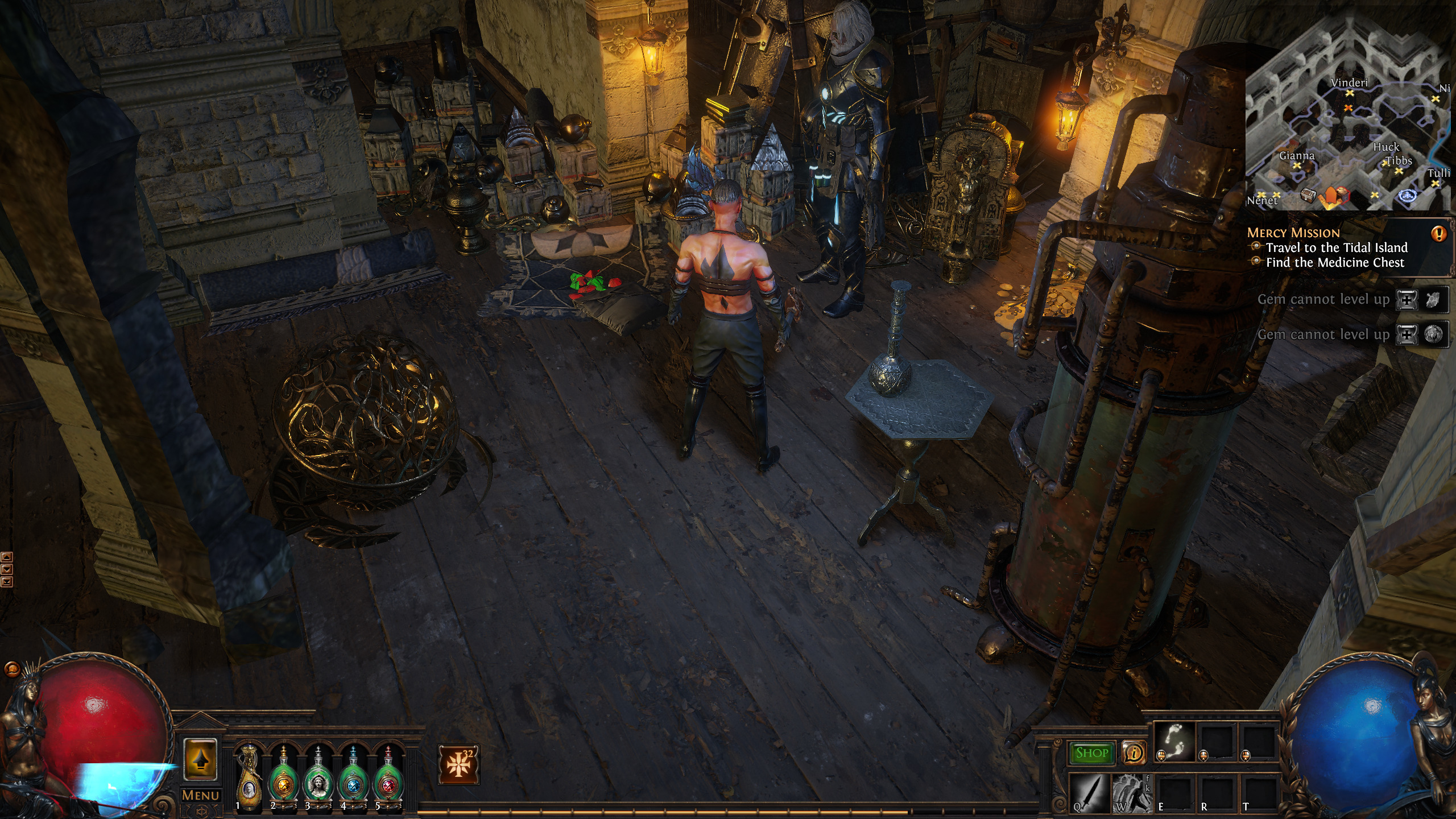
Path of Exile (PoE) has carved out a unique position in the ARPG genre by embracing a free‑to‑play business model that emphasises accessibility, player‑driven economy, and long‑term engagement.
Far from being a superficial veneer, this model impacts nearly every aspect of the game—from how new players enter the world, to how experienced players trade, craft, and participate in the community. In this article, we explore how PoE’s free‑to‑play model shapes its community and economy, how it supports sustainable growth, and what lessons it offers for ARPG design.
What “Free‑to‑Play” Means in PoE
In PoE, the free‑to‑play model means that the core game—campaign, endgame maps, skill trees, crafting systems—is fully accessible without paying. No gameplay‑critical features are locked behind a paywall; instead, monetisation focuses on cosmetics, stash tabs, and optional convenience items. This accessibility allows new players to jump in without financial barrier, which in turn helps foster a large and diverse community.
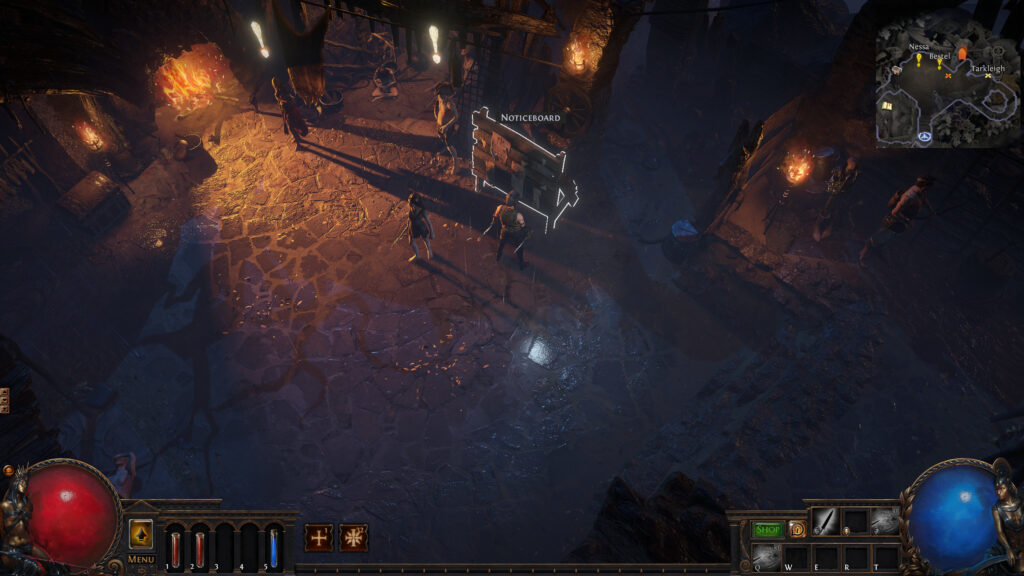
Because everything essential to progression is available, players do not feel pressured into paying just to “catch up.” This builds goodwill and trust—not just between the player and the developer (Grinding Gear Games) but also amongst the community. When players believe the game is fair and welcoming, they are more likely to stick around, participate in the economy, and invest emotionally (and sometimes financially) in the ecosystem.
The Community Effects of Accessibility
A broad and accessible entry point means more players. More players mean more active trading, more guilds, more sharing of builds, and richer social networks. Because PoE does not gate core content behind paywalls, returning players, new players, and veteran players can all coexist in the same economy and community frameworks. This enhances the vitality of forums, Reddit threads, streamers, and content creators who help new players get up to speed.
With a large player base, the game benefits from diverse participation: casual mappers, hardcore boss hunters, trade‑savvy farmers, and experimenters exploring weird builds. This *diversity* strengthens the economy (more supply and demand), but also encourages a culture of mentorship and knowledge‑sharing—players post guides, teach each other about crafting or trading, and build reputations. A free‑to‑play model supports that ecosystem by lowering the barrier to entry and encouraging community growth.
The Trade‑Driven Economy and Currency Mechanics
One of the standout features of PoE is its economy: it’s built around “currency items” rather than generic gold. Items like the Chaos Orb and Exalted Orb have intrinsic utility in crafting and trade, rather than functioning only as trade tokens. This design is tightly linked to the free‑to‑play model—because players aren’t locked out of trading by paywalls, the economy can flourish organically.
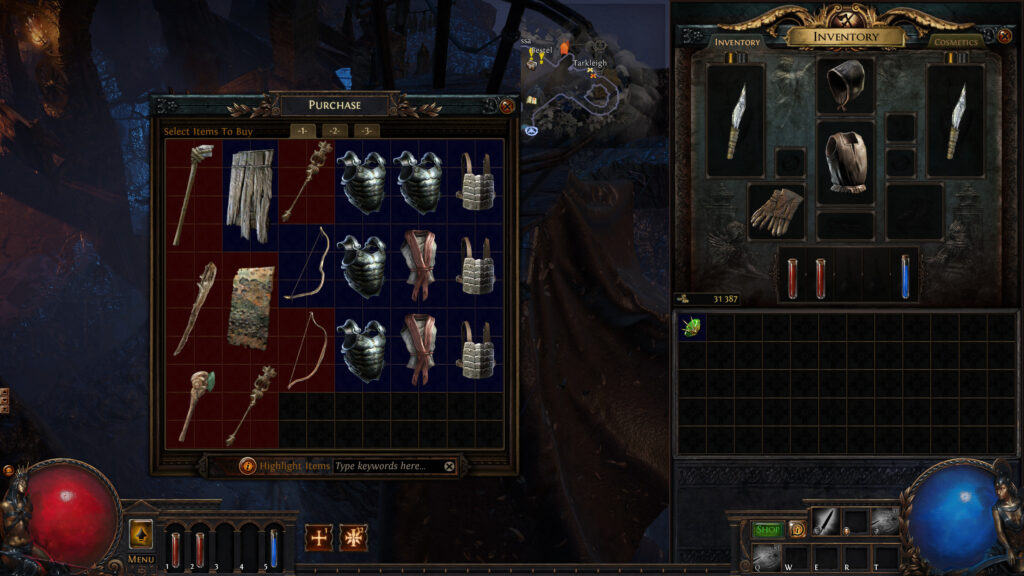
By making crafting/currency mechanics accessible to all players, regardless of spending, the game ensures that both newcomers and veterans participate in the same economy. The free‑to‑play approach means that even non‑paying players can farm, trade, and succeed. When trading is open, vibrant, and inclusive, the economy becomes one of the most engaging endgame features of the game.
Monetisation Without Pay‑to‑Win
The monetisation model in PoE emphasises cosmetics, stash tabs, supporter packs, and convenience—not power. Because the developer avoids pay‑to‑win mechanics, paying players do not gain direct gameplay advantages. This reinforces a sense of fairness in the community. It means that spending money is optional and does not disrupt core progression fairness.
With this structure, paying players often act as supporters of the game rather than competitors achieving unfair advantage. That dynamic helps maintain community trust, and keeps the economy and trading systems functioning without corruption through pay‑walls. The free‑to‑play model thus supports both revenue and fairness—a delicate but effective balance.
Challenges and Trade‑offs of the Free‑to‑Play Model
Of course, free‑to‑play is not without its complications. With a large free player base, servers need to scale, support needs to grow, and content expectations increase. PoE must continue producing meaningful updates, balancing, and fixing bugs in order to keep players engaged. A free‑to‑play model also means that retention matters more than initial purchases, so content needs to be compelling long‑term.
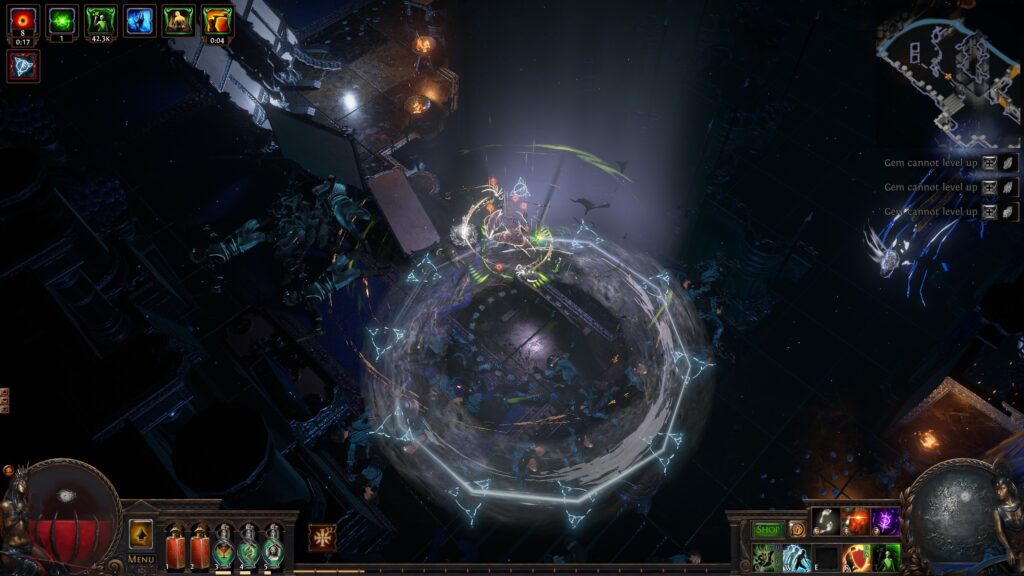
Another trade‑off is that some players may perceive “convenience purchases” (e.g., extra stash tabs) as *necessary* due to the complexity of PoE. While they don’t confer power, they may feel essential for serious players managing large inventories, which could cause friction among newcomers. The developer must carefully manage this perception to preserve the positive free‑to‑play experience.
Why It Matters for the ARPG Genre
PoE’s free‑to‑play model sets an example in the ARPG genre: it shows that you can build a deep, engaging, trade‑driven game without fragmenting your player base through pay‑walls. It emphasises long‑term engagement, community, and economy rather than quick monetisation and gated content. For developers, it demonstrates that fairness in monetisation can lead to strong retention, deep systems, and vibrant economies.
For players, the benefits are real: you can start playing without risk, discover the depth of the game, engage in trade, invest time and skill, and only optionally invest money if you want to support the developers or indulge in cosmetic upgrades. This model leads to more inclusive communities, stronger economies, and a healthier overall ecosystem.
Conclusion: A Model of Access, Depth, and Community
Path of Exile’s free‑to‑play model is not simply a marketing tagline—it’s woven into how the game functions, how its economy works, and how its community thrives.
By providing access to all core mechanics, facilitating a player‑driven economy, and prioritising fairness, PoE creates an ecosystem where players of all backgrounds can participate, learn, trade, and succeed. If you’re seeking an ARPG with deep systems, a strong economy, and a vibrant community built around shared gearing and progression rather than pay‑to‑win, PoE remains a shining example.