Roleplaying communities have always held a unique place in the world’s ecosystem. Long before automated tools, group finders, and streamlined progression systems, roleplayers created their own content, wove their own stories, and gave life to zones often overlooked by the broader playerbase. Their dedication to creativity and character identity built pockets of social depth that expanded far beyond questlines or raids. These communities remain one of the most enduring forces preserving the social fabric of the game.
This article explores how roleplaying communities continue to strengthen connection, spark creativity, and sustain cultural identity decades after launch.
The Power of Player-Created Stories
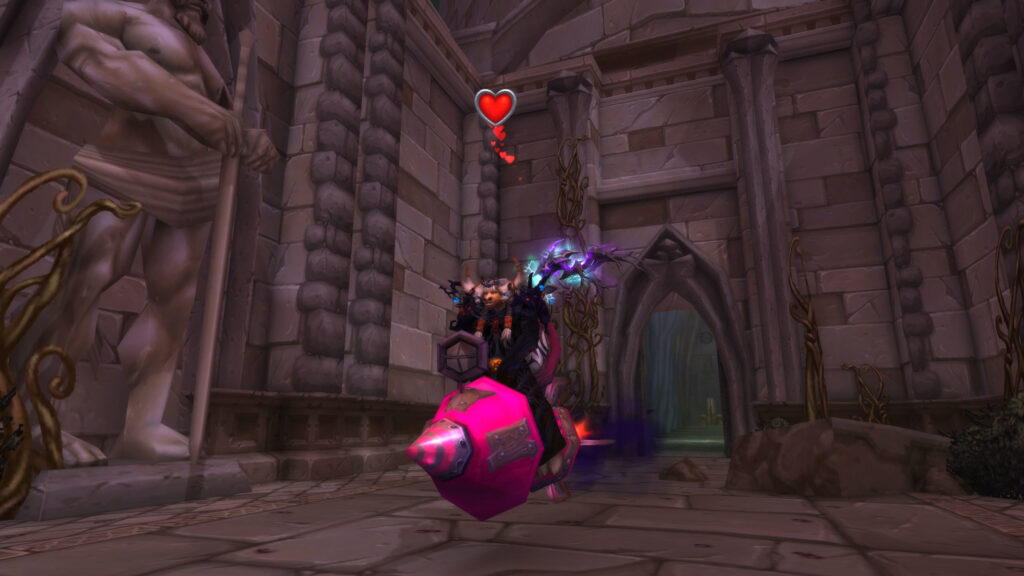
Roleplaying thrives because it gives players agency over their personal narratives. Instead of existing solely as heroes shaped by expansion arcs, roleplayers craft individual motivations, histories, and relationships that evolve over years. These stories turn the world into a living stage where players breathe life into taverns, forests, capitals, and forgotten corners. This sense of authorship fosters deep emotional attachment and long-term engagement.
When stories come from players, the world feels endless.
Communities That Grow Through Shared Creativity
Roleplaying communities endure because they are built on collaboration rather than competition. Each event, guild gathering, or impromptu encounter becomes an opportunity to create something new together. Friendships form not through gear checks or progression, but through dialogue, imagination, and mutual respect. Over time, these communities develop cultural norms and traditions that shape their identity.
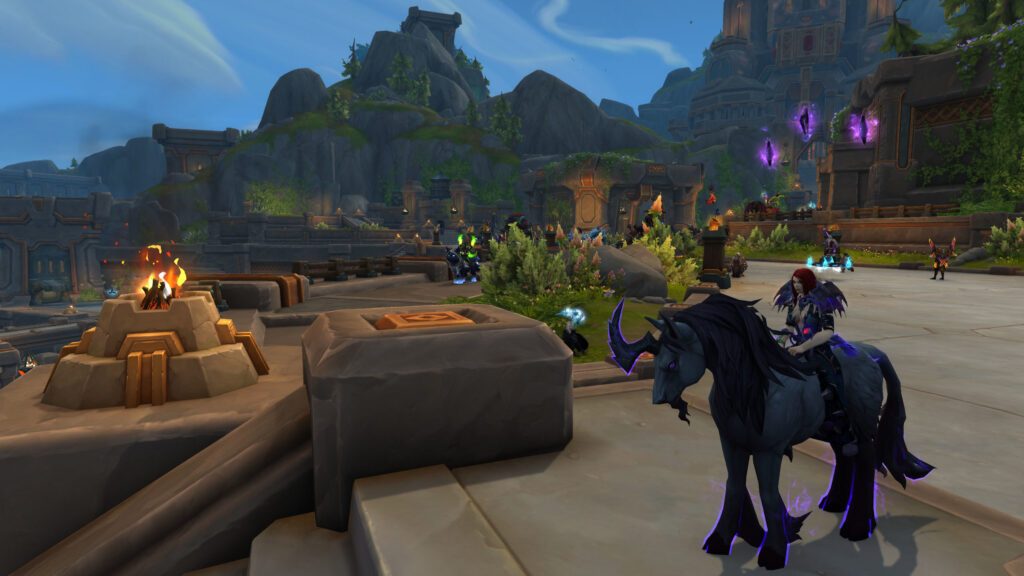
To illustrate how these communities maintain longevity, here is a brief list of their core strengths:
- Collaborative storytelling that invites participation from all skill levels
- Character-driven events that enrich daily gameplay
- Social hubs that keep towns lively long after players move on
- Cross-guild cooperation that builds friendships across factions
- Creative freedom that encourages personal expression
The Emotional Strength of Shared Identity
Roleplaying guilds and communities often function as extended families. Their longevity comes not from progression but from emotional connection. Characters grow together through triumph, heartbreak, conflict, and resolution. These emotional arcs create powerful memories that transcend expansion cycles. This shared identity reinforces the sense that the world belongs to its players as much as its developers.
Identity becomes a foundation for long-term community resilience.
Keeping Older Zones Alive
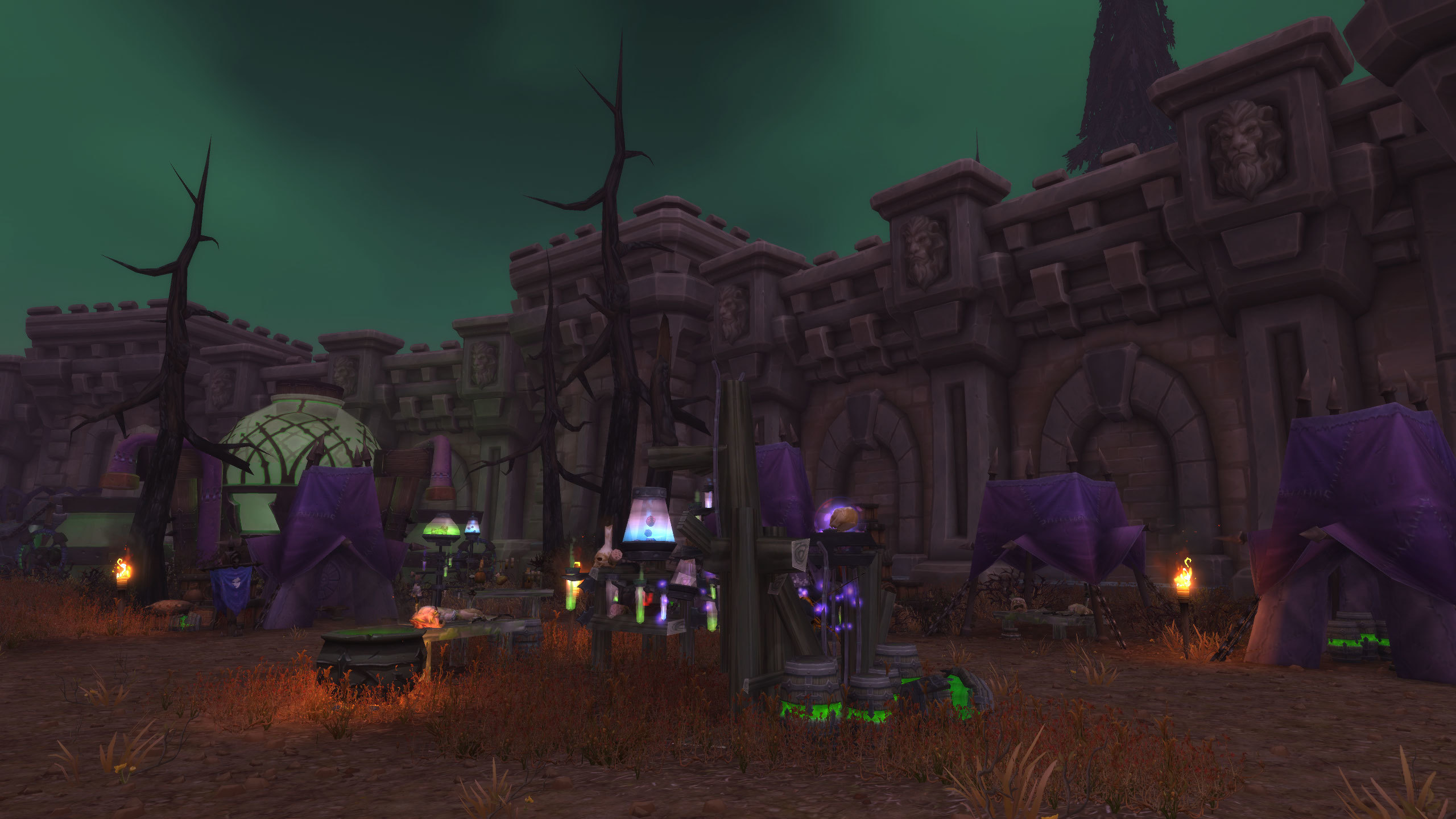
Roleplayers preserve areas of the world that might otherwise fade into obscurity. Even as expansions shift focus to new continents, roleplaying communities maintain activity in capital cities, remote villages, and scenic locations. Their presence ensures that the world retains texture and life, keeping the sense of a living world intact long after the main storyline has moved on.
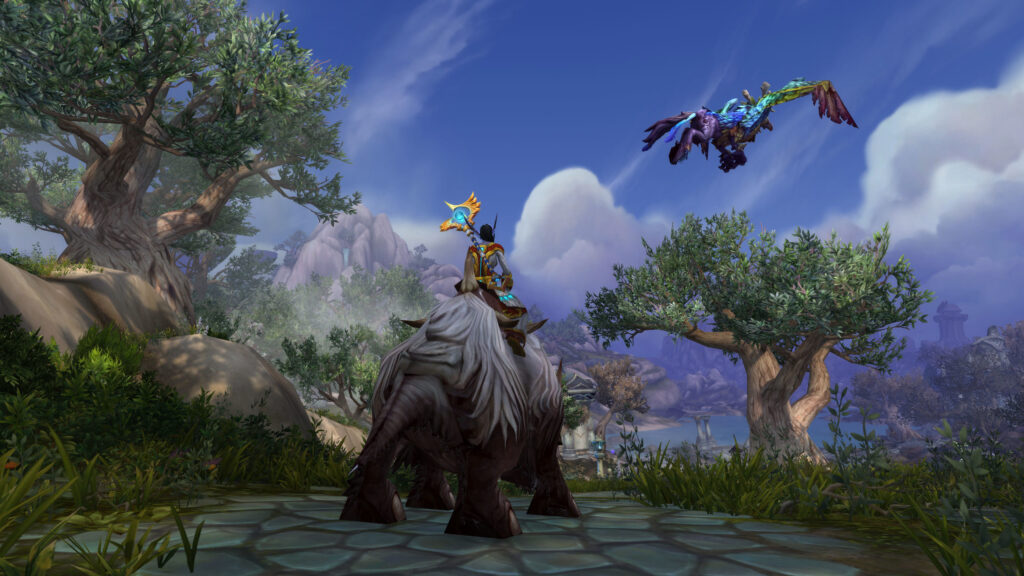
Roleplayers breathe life into places the story leaves behind.
Why Roleplaying Still Matters Today
In an era defined by automated grouping and streamlined systems, roleplaying remains one of the strongest pillars of social cohesion. It encourages conversation, improvisation, and empathy — qualities that form the heart of long-term community identity. The creativity and passion of roleplayers ensure that the world remains vibrant, dynamic, and uniquely human even decades after its debut.
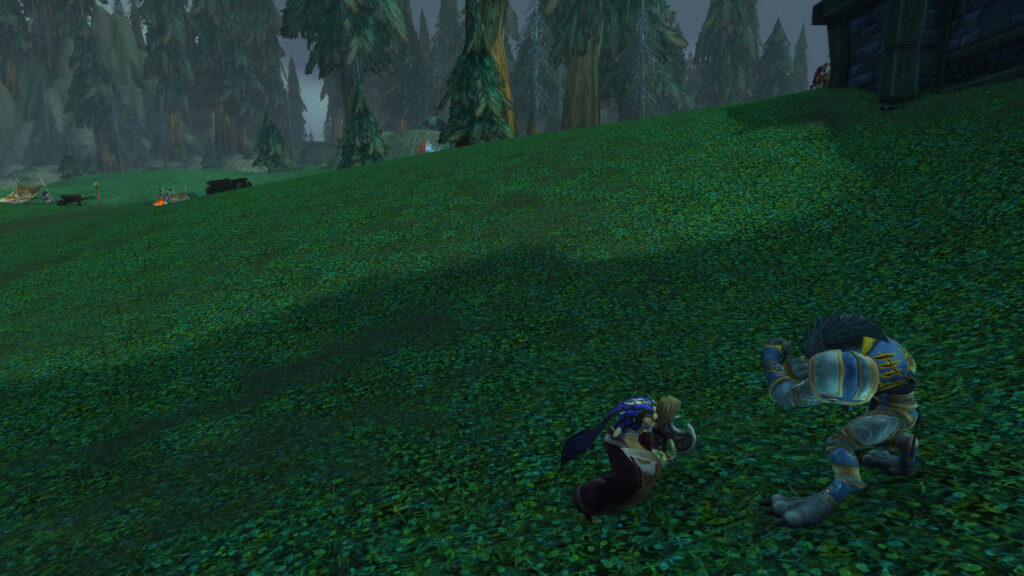
Roleplaying sustains the social soul of the world.
Conclusion
Roleplaying communities keep the social fabric intact because they offer connection, creativity, and shared meaning. Their stories endure across expansions, their traditions enrich the world, and their passion keeps old spaces alive. Through imagination and collaboration, they ensure that the world remains more than a game — it remains a living community shaped by its players.