Introduction: The Journey of World of Warcraft
World of Warcraft (WoW) has undergone incredible changes since its release in 2004. From its humble beginnings as an expansive MMORPG to its current state as a massive online world with millions of players, WoW has continually evolved to stay relevant. Each expansion has brought new content, mechanics, and changes to the world of Azeroth, and players have embraced these transformations over time. In this article, we will trace WoW’s evolution from its launch in Vanilla to the current expansion, Shadowlands, and reflect on the most significant changes that have shaped the game.
Vanilla WoW: The Beginning of an Epic Journey
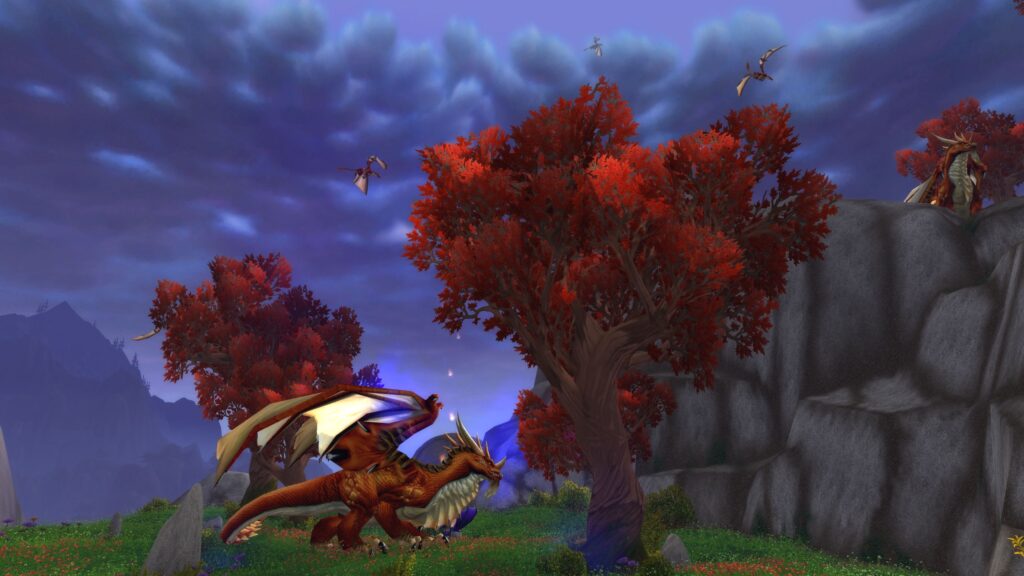
World of Warcraft began its journey in 2004 with the release of its original, Vanilla version. The game introduced players to the expansive world of Azeroth, offering a vast landscape to explore, quests to complete, and enemies to defeat. At this time, the game was more difficult and grind-heavy compared to later expansions, with a heavy emphasis on large-scale raids and grinding for reputation.
Key Features of Vanilla WoW
- The 60-Level Cap – The original level cap was 60, with players spending a significant amount of time leveling up.
- Raiding – Large-scale raids like Molten Core and Onyxia’s Lair became iconic and set the standard for endgame content.
- Faction Conflict – The Alliance vs. Horde conflict was central to the lore, with players choosing their sides and participating in PvP and faction-based content.
The Burning Crusade: A New World Beyond the Dark Portal
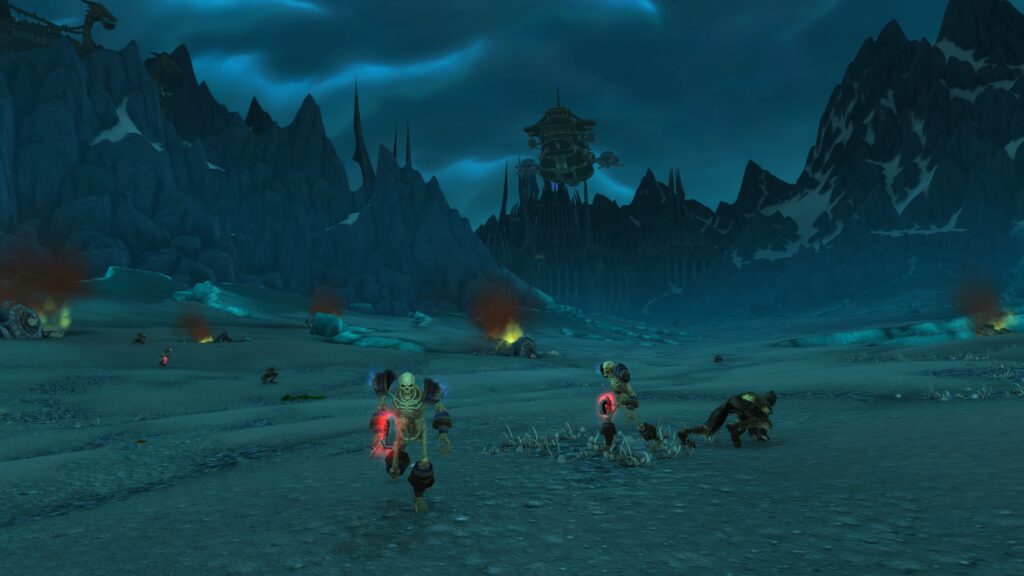
In 2007, the first expansion, The Burning Crusade, introduced players to the shattered world of Outland. This expansion added new races, classes, and dungeons, and it raised the level cap to 70. The Dark Portal became a central feature, allowing players to travel between Azeroth and the dangerous world of Outland, home to the Draenei and the Blood Elves.
Major Additions in The Burning Crusade
- New Playable Races – The Draenei and Blood Elves brought fresh lore and abilities to the game, expanding both factions.
- Flying Mounts – Players could now use flying mounts to explore the skies of Outland, a major change to how players experienced the world.
- Endgame Raids – Raids like Karazhan and Black Temple became defining features of the expansion.
Cataclysm: The Shattering of Azeroth
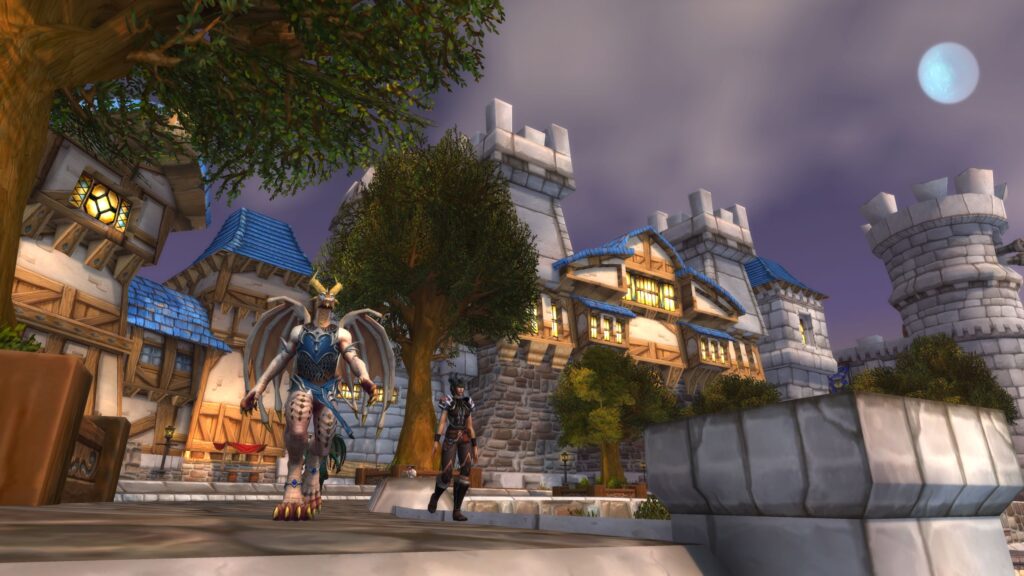
Released in 2010, Cataclysm reshaped the world of Azeroth itself. The return of Deathwing, the corrupted Dragon Aspect, caused widespread destruction, altering iconic zones and creating new ones. Cataclysm was one of the most transformative expansions, as it dramatically changed the game’s landscape and introduced new mechanics.
Key Features of Cataclysm
- World Revamp – Many of Azeroth’s classic zones were redesigned, and some were destroyed, changing the way players interacted with the world.
- New Playable Races – Goblins and Worgen joined the factions, adding new storylines and customization options.
- Heroic Dungeons – Dungeons became harder and more rewarding, with heroic versions offering significant challenges.
Shadowlands: The Afterlife of Azeroth
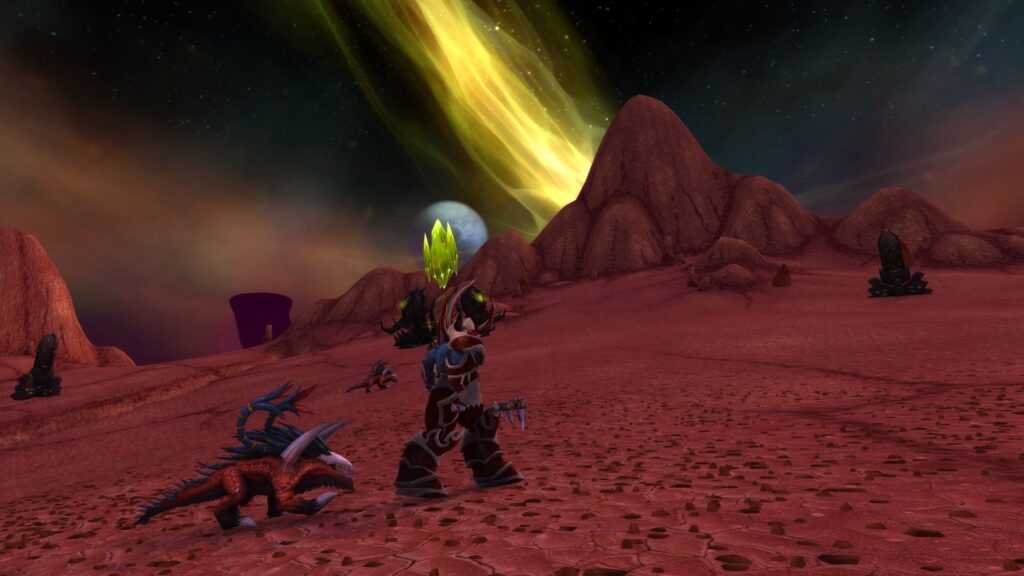
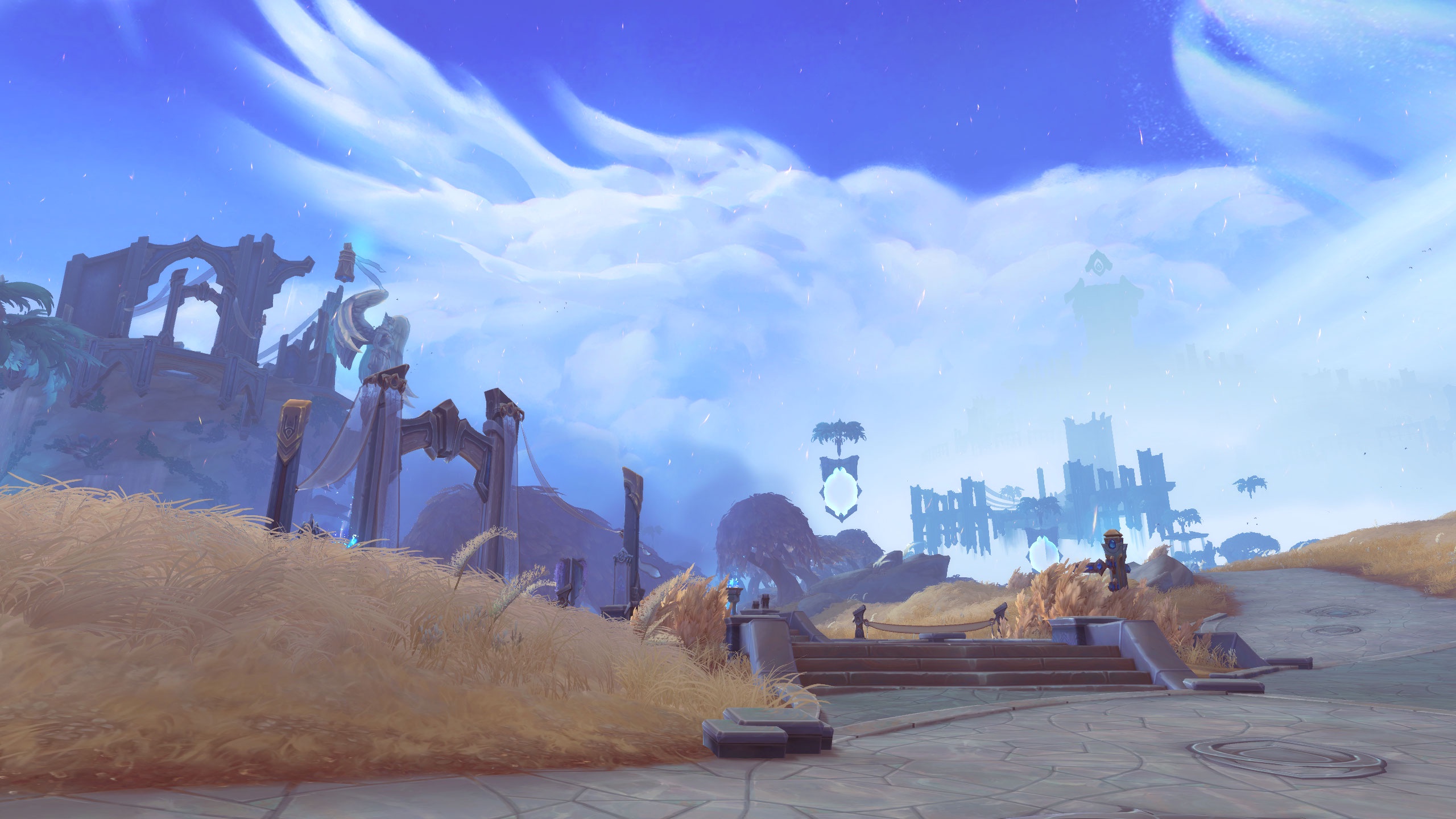
Shadowlands, released in 2020, took players into the realms of the afterlife, adding a new layer to WoW’s expansive lore. Players could explore the four Covenants of the Shadowlands and take on a variety of new challenges. This expansion expanded upon the concept of life and death, introducing a storyline with significant repercussions for Azeroth’s future.
New Features in Shadowlands
- The Covenants – Players choose from one of four Covenants, each with its own unique abilities and storyline.
- New Zones – The Shadowlands introduced several new zones, each representing different aspects of the afterlife.
- The Endgame – The addition of the Torghast, Tower of the Damned, gave players a roguelike dungeon experience with endless challenges.
Conclusion: The Ever-Evolving World of Azeroth
World of Warcraft’s journey from Vanilla to Shadowlands has been one of constant evolution, with each expansion introducing new content, mechanics, and stories that have kept players coming back for more. The game’s world continues to grow and change, with new threats emerging and heroes rising to meet them. As WoW’s legacy continues, one thing is certain: the evolution of Azeroth is far from over.
Home