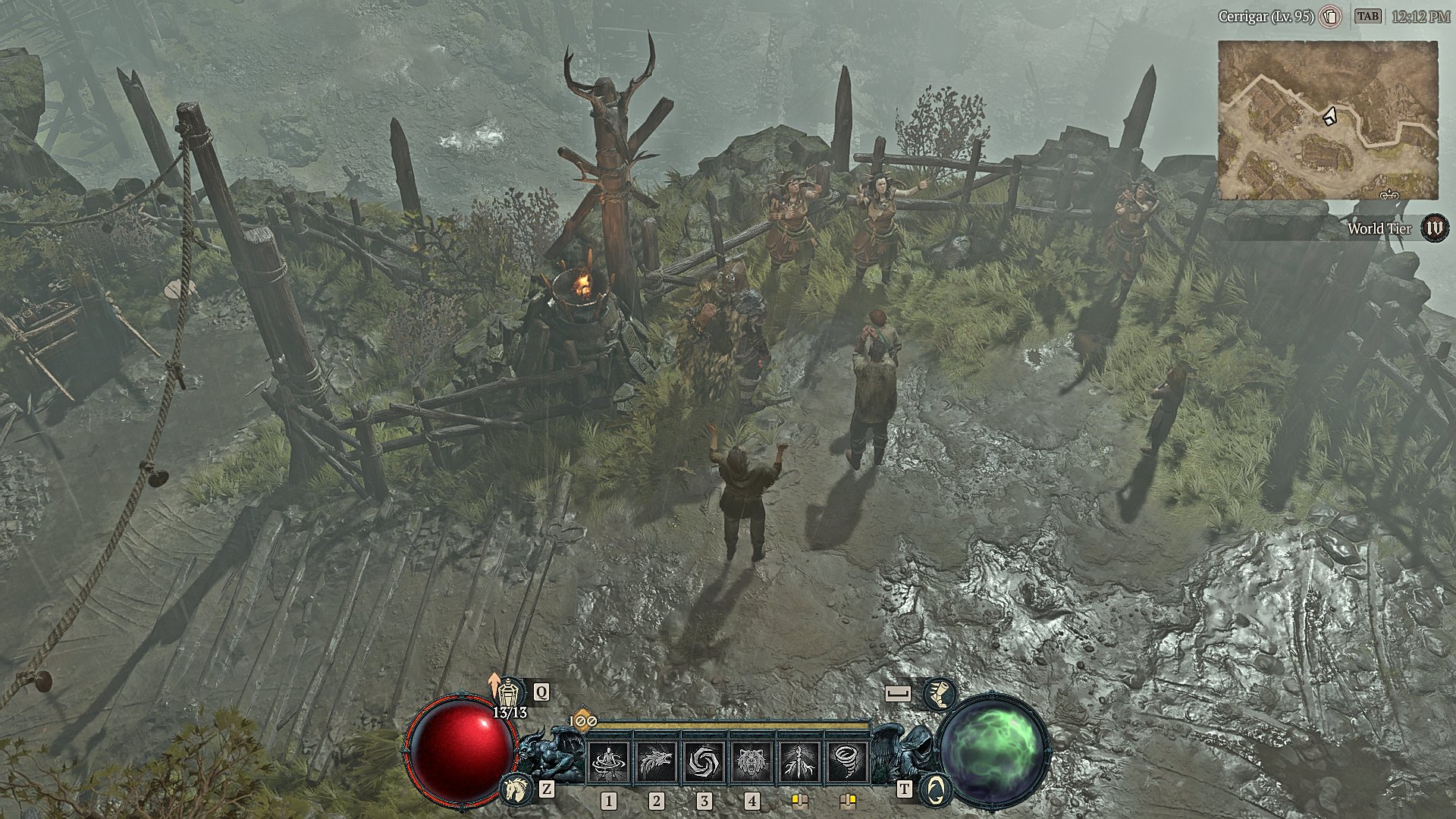
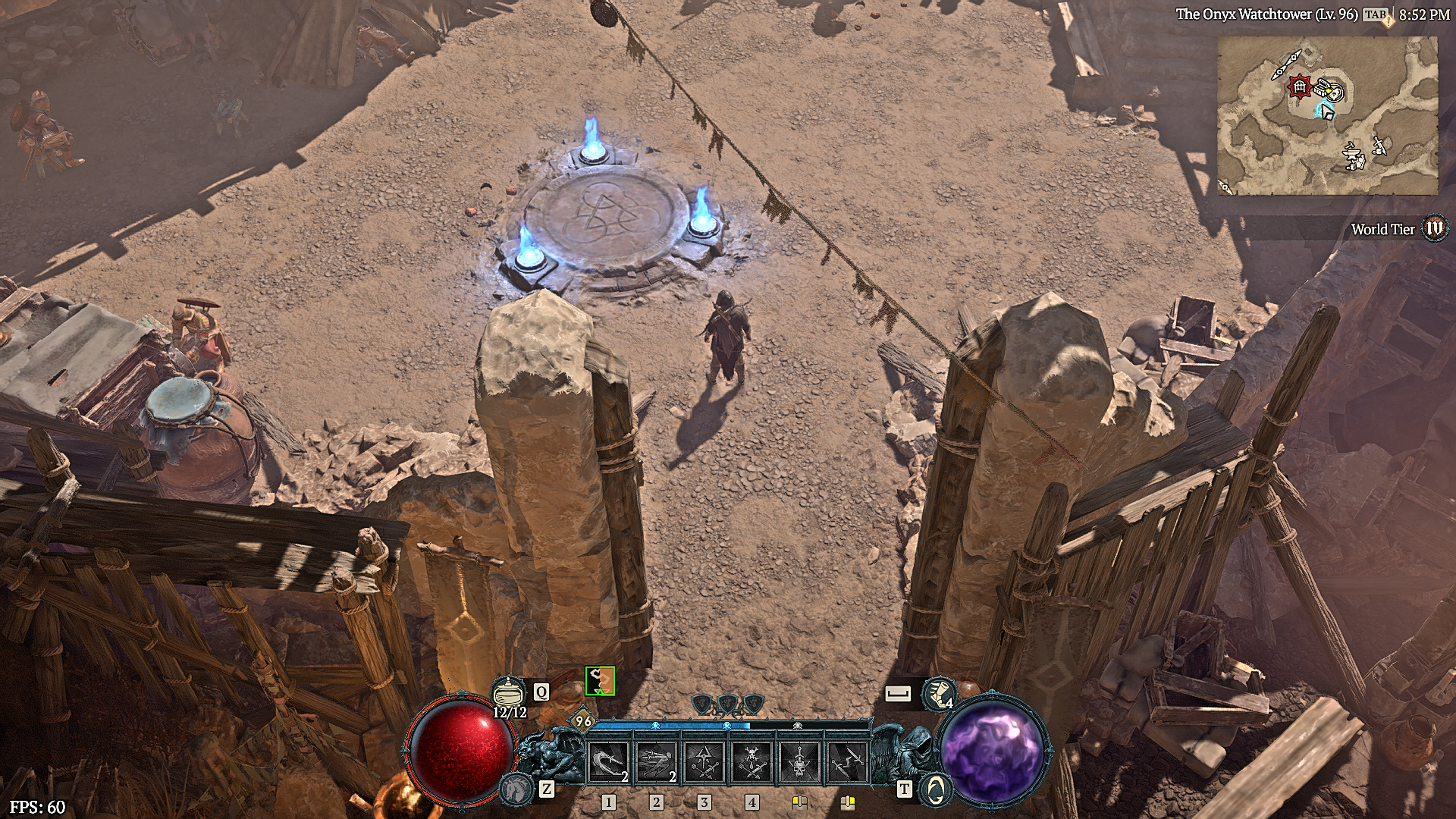
Animation commitment marks one of the most decisive mechanical shifts in :contentReference[oaicite:0]{index=0}, fundamentally changing how players interact with combat. In earlier systems, frequent input could override mistakes, allowing players to cancel actions, stack abilities, or escape danger through sheer speed. This encouraged button spamming as a viable survival strategy. Path of Exile Two replaces that behavior with meaningful commitment, where every action carries weight, duration, and consequence. Once an animation begins, the player accepts responsibility for that decision. Combat becomes less about volume of inputs and more about choosing the right moment to act, signaling a deliberate end to mindless execution.
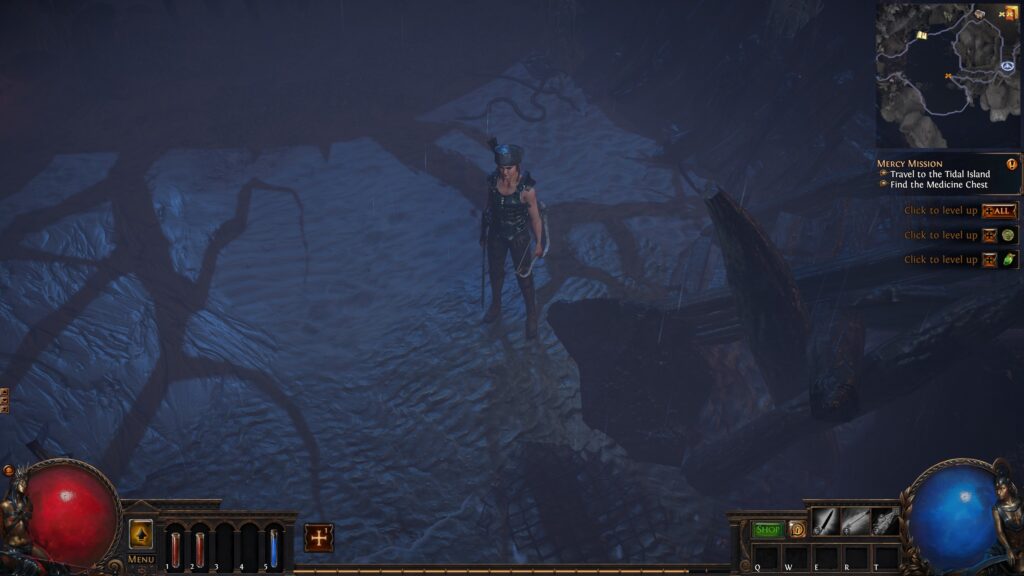
Why Button Spamming Thrived Before
Button spamming thrived in earlier systems because responsiveness favored recovery over foresight. Players learned that excessive input reduced risk, as abilities could be chained or canceled to correct mistakes instantly. This created a feedback loop where speed substituted for understanding. Encounters were often solved by overwhelming them with actions rather than engaging with mechanics intentionally. Over time, this behavior became normalized, shaping player expectations around constant motion and input density. The system rewarded activity, not judgment, reinforcing habits that prioritized reaction speed over planning.
Commitment Restoring Decision Weight
Animation commitment restores weight to individual decisions by removing the safety net of constant cancellation. Each action now occupies time and space, demanding awareness of surroundings and enemy behavior. This change forces players to consider not only what ability to use, but when and where to use it. Mistakes are no longer instantly reversible, but neither are successes accidental. Commitment transforms combat into a sequence of deliberate choices, where anticipation replaces panic and restraint replaces excess.
Learning to Pause Instead of React
One of the most difficult adjustments for players is learning to pause rather than react. The instinct to press buttons continuously must be unlearned, replaced by moments of observation and timing. This pause does not slow combat artificially; it clarifies it. By waiting for correct openings, players align actions with opportunity rather than urgency. Over time, this restraint improves consistency and reduces error, reinforcing the value of patience in high-pressure encounters.
Combat Behaviors That Change Under Animation Commitment
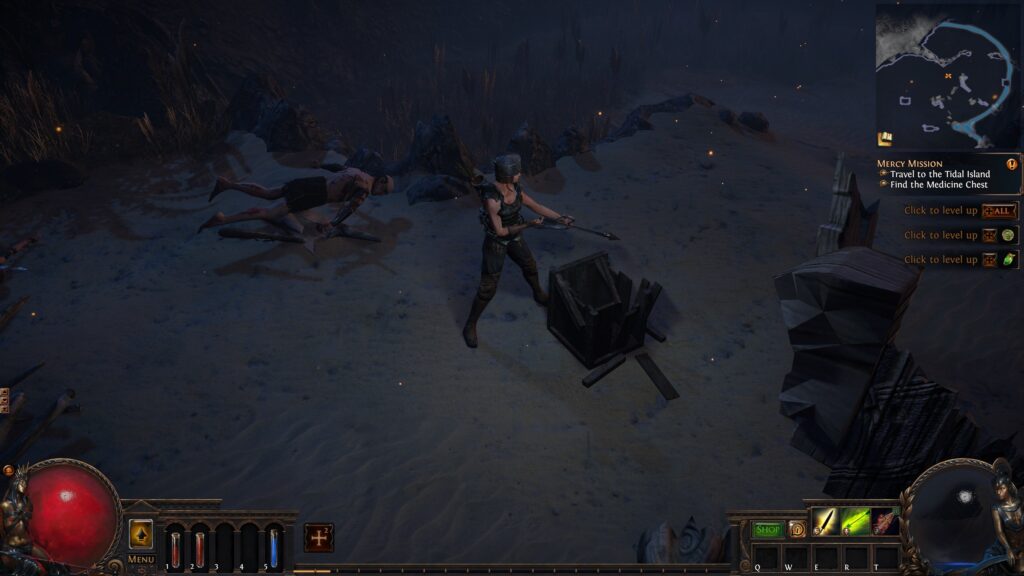
The introduction of animation commitment reshapes several long-standing combat behaviors that players previously relied upon.
- Spamming abilities to escape danger without positioning
- Canceling actions to recover from poor timing
- Overlapping skills without considering recovery windows
- Relying on speed rather than anticipation for survival
These behaviors give way to a more thoughtful, measured approach to combat execution.
Long-Term Impact on Player Mastery
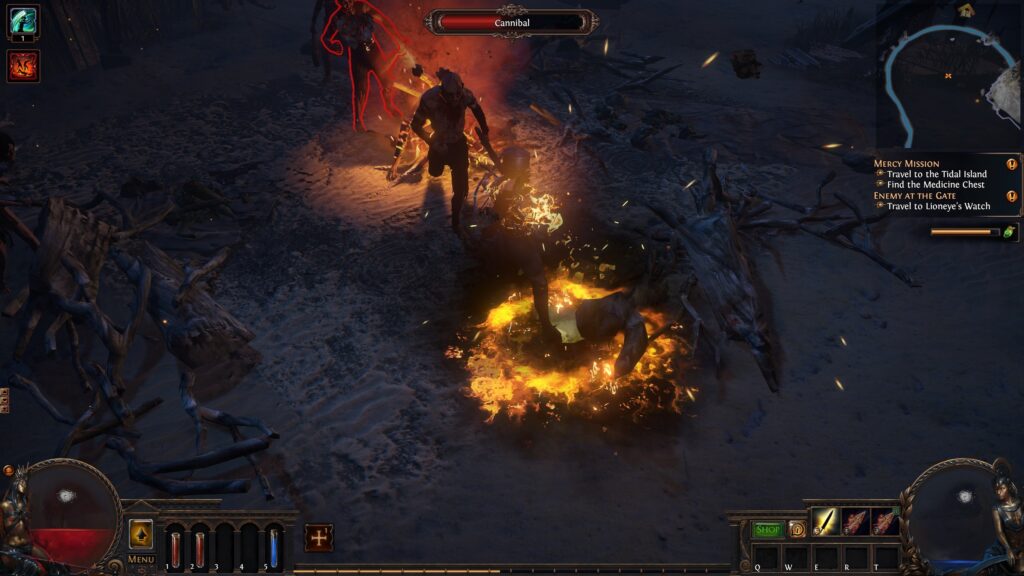
Over time, animation commitment raises the skill ceiling while stabilizing performance. Players who adapt develop stronger situational awareness, better timing, and calmer execution. Encounters feel less chaotic and more readable, even when difficulty increases. Mastery becomes visible through restraint rather than aggression. This shift rewards understanding over excess, redefining what it means to play well.
Conclusion
Animation commitment signals the end of mindless button spamming by restoring consequence to every action. In Path of Exile Two, combat success depends on timing, awareness, and intentional choice. By demanding commitment, the game transforms execution into a meaningful expression of skill rather than a test of input speed.