Why Loot Filtering Decides Your Diablo 4 Progress
Every Diablo 4 player eventually hits the same wall. You clear a Nightmare dungeon, the screen fills with yellow and orange drops, and twenty minutes later your stash is a mess of items you will never equip. The game rewards volume, but it does not reward clutter. The players who climb Torment difficulty quickly are rarely the ones who kill the most monsters. They are the ones who decide in two seconds whether an item is worth keeping.
This guide looks at loot from that angle. We will go through how to read drops, how aspects shape your build, which farming routes in Sanctuary pay off for legendary hunting, and what a paid carry service really changes about the loot curve. Nothing here depends on the latest balance numbers, so the advice holds up across seasons even as individual drop rates get tuned.
Reading a Drop in Two Seconds
A good filter habit starts with a fixed checklist. First, check the item type against your class and build. A Sorcerer chasing a lightning build does not need a Barbarian two-hander, no matter how good the rolls look. Second, look at the greater affixes, the golden-marked stats that signal a high-value roll. Third, check the legendary aspect. Fourth, look at the item power relative to what you wear now. If an item fails the first check, it is salvage or sell, and you move on.
Many players burn hours because they inspect every item the same way. Instead, set a rule per slot. For example, only open rings if they carry a stat you actively need, such as critical strike chance or a resistance gap you are trying to close. Only open weapons that match the damage type your skills scale from. The fewer items you read in detail, the more time you spend killing, and killing is where the loot comes from.
Aspects Are the Real Build Currency
Rare stats can be crafted and rerolled, but aspects are what turn a pile of gear into a build. A legendary aspect is a special power imprinted on an item, and the Codex of Power lets you unlock each one permanently once you have discovered it, then imprint it on a new item at the Occultist. That system means a mediocre drop with the right aspect is still valuable raw material. It also means you should salvage aspect items you do not need, because salvaging an item with an aspect extracts it for later use.
Pay attention to aspect categories. Offensive, defensive, resource, mobility and utility aspects each fit specific slots, and a balanced build usually wants a few from each group. When you plan an upgrade path, write down the two or three aspects your build cannot function without and hunt those first. Chasing every aspect at random is the slowest way to progress, while targeted hunting makes each dungeon run feel purposeful.
Farming Routes That Pay Off in Sanctuary
There is no single best route, but three sources reliably produce gear at a good pace. Nightmare dungeons give predictable run lengths and an aspect-focused reward, which makes them ideal when you need a particular aspect. Helltides give a burst of dense monster packs and chest opportunities across a time window, which suits players who like open-world movement and want a steady flow of legendaries and crafting materials. Boss encounters offer powerful, targeted drops once you can kill them reliably, though they demand the right preparation.
A practical weekly rhythm blends all three. Spend a block of time on dungeons to fill aspect gaps, jump into Helltide while it is active to harvest materials and rares, and finish with a boss attempt when your build is ready. Rotating keeps the session from feeling like a grind and spreads your exposure across different drop pools. If you are stuck on a particular item slot, shift the balance toward the source that most often drops that kind of gear.
Setting Up Your Filters and Stash Habits
Even without third-party tools, you can build strong habits inside the game. Use the salvage and favorite markers aggressively. Mark gear you want to compare, junk everything below your threshold at the blacksmith in a single trip, and keep one stash tab for aspect donors and another for upgrade candidates. A clean stash prevents the common mistake of hoarding items out of fear that something might be useful later.
Set a rule for inventory trips as well. Return to town when your bags are about two-thirds full rather than waiting for the last slot, so you never have to discard something mid-fight. Combine that with a weekly stash review: delete anything you have not touched in a few play sessions. Treat this as maintenance, not a chore, and you will notice that decisions during runs get faster.
What a Diablo 4 Boost Does to the Loot Curve
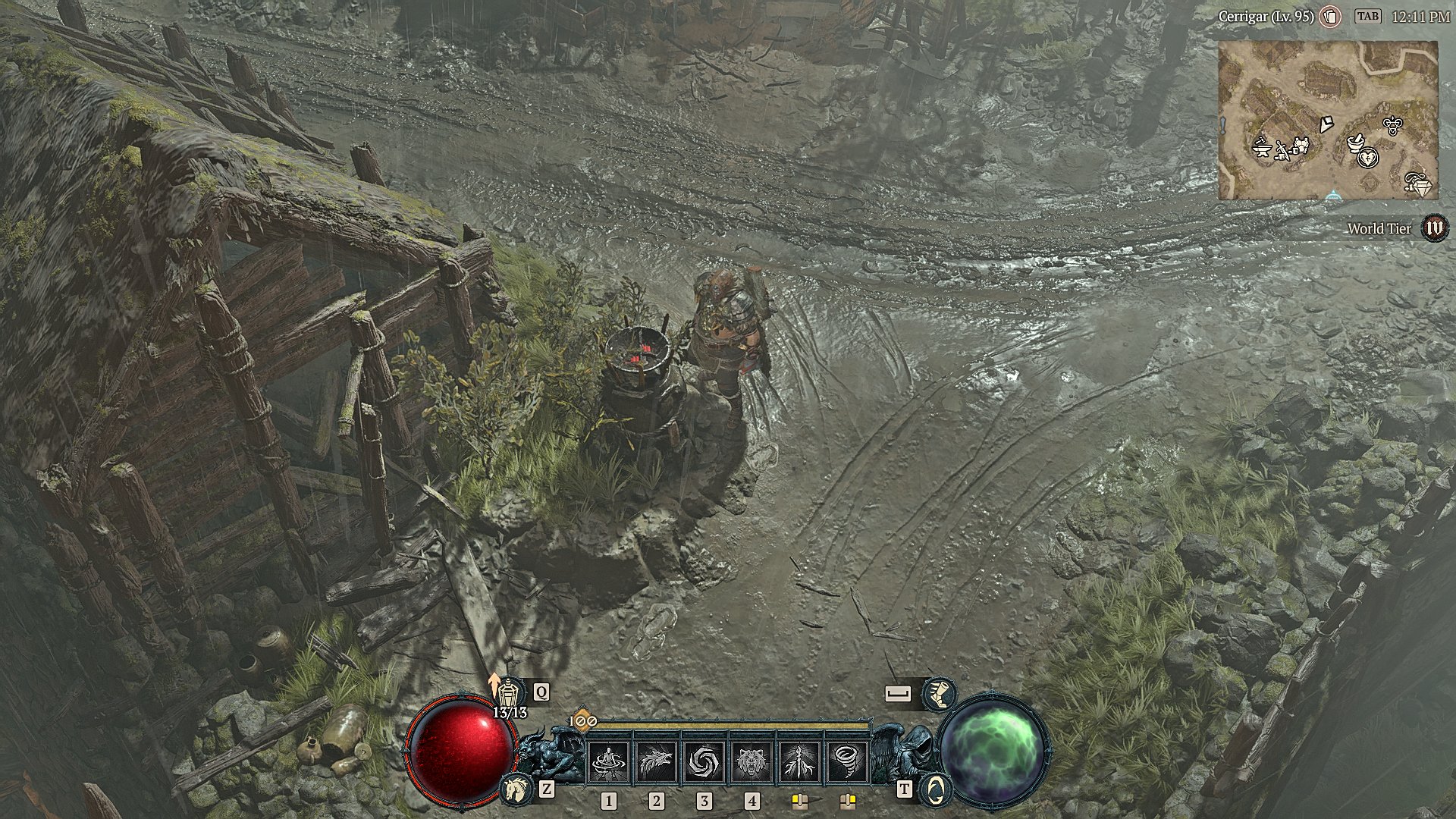
Now to the question many players quietly ask: what changes if someone else runs content for you? A diablo 4 boost service, where an experienced player or team completes runs on your account or alongside it, compresses the early part of the curve. You skip hours of clearing and reach higher-tier content, a higher Paragon level or a stocked set of materials sooner. In loot terms, you get to the point where better drops are even possible without spending evenings on the repetitive stretch.
What it does not change is the logic of the loot itself. Your filter habits, aspect plan and build knowledge still decide whether a drop becomes an upgrade. A boost shifts the starting line, not the rules. Players who treat it as a shortcut to a finished character often find themselves holding gear they do not understand, while those who use it to skip a stretch of grinding and then play the endgame themselves tend to get more value. Think of it as buying time, not skill.
Account Risk, Terms and Making a Sensible Choice
Be honest with yourself about the downsides. Third-party services always carry account risk. Blizzard’s terms of service and code of conduct apply to every account, and sharing credentials or letting others play on your behalf can be treated as a violation, which may lead to penalties up to a suspension or ban. No provider can guarantee otherwise, and anyone promising zero risk should make you cautious.
If you still decide to look at a service, read its method description carefully, prefer arrangements where you stay in control of your login, never reuse passwords, enable two-factor authentication, and avoid anything that asks for more access than the job needs. Check that the terms are clear, that support responds, and that refunds and delays are explained in writing. The safest option remains playing the content yourself, and the strongest compromise is to learn the systems first so any outside help is a choice rather than a crutch.
A Simple Loot Plan to Start Tonight
To put this into practice, pick one build and write down its three key aspects. Run Nightmare dungeons that reward those aspects until you have them, then switch to Helltide for a session to gather materials and test your filter habits. Review your stash, salvage ruthlessly, and compare your best items for each slot. When you feel ready, try a boss fight and note what kills you, because that points directly to the next defensive or damage upgrade.
Over a couple of weeks this loop turns random drops into steady progress. Whether you play every step yourself or use outside help for part of the climb, the same principle holds: know what you are looking for before you start killing. Loot in Sanctuary is generous, but only to players who know what to do with it.