The gem link changes in represent one of the most disruptive shifts in the game’s design philosophy, not because they reduce complexity, but because they invalidate long-standing habits. For years, players learned to think of builds as rigid structures built around six-link priorities, socket pressure, and item dependency.
These habits shaped planning, trading, and even emotional attachment to gear. Path of Exile Two breaks this pattern deliberately, forcing players to re-evaluate how power is assembled. The result is not simply a new system, but the gradual death of old build instincts that once felt fundamental.
Why Old Linking Habits Were So Deeply Embedded
In the original system, gem links dictated nearly every build decision. Players centered progression around acquiring and protecting a small number of critical links, often tolerating weak defenses or awkward gearing to preserve damage setups. Over time, this trained players to equate build strength with link count rather than mechanical cohesion.
This mindset extended beyond logic into muscle memory, where upgrading gear felt dangerous because it risked breaking established links. These habits were reinforced over multiple leagues, becoming cultural norms rather than conscious choices.
Decoupling Power From Gear Pressure
Path of Exile Two’s gem link changes decouple power from traditional socket dependency, reducing the emotional weight placed on individual items. This shift redistributes power across systems rather than concentrating it into a single piece of gear.
Players are encouraged to think about synergy, timing, and interaction instead of guarding a fragile setup. As a result, progression feels less brittle. Upgrades become opportunities rather than risks, and experimentation carries lower psychological cost. This decoupling challenges players to rebuild intuition from the ground up.
Learning to Unlearn Optimization Reflexes
The hardest adjustment is not mechanical, but mental. Players instinctively search for familiar optimization paths that no longer exist. Early frustration often comes from trying to recreate old solutions inside a system designed to resist them. Success requires unlearning reflexive decisions, such as overvaluing specific item bases or delaying upgrades unnecessarily. This unlearning process can feel uncomfortable, as it removes the illusion of certainty that old habits provided. Yet once players adapt, the system rewards flexibility and understanding rather than rigid execution.
Old Build Habits That No Longer Apply
Several long-standing build behaviors lose relevance under the new gem link paradigm, forcing players to reassess assumptions.
- Delaying upgrades to preserve perfect link setups
- Evaluating build strength primarily by link count
- Structuring characters around a single dominant item
- Equating early damage spikes with long-term stability
Recognizing these outdated habits is a crucial step toward adapting successfully.
A Shift Toward Systemic Understanding
As old habits fade, players are pushed toward a more systemic understanding of builds. Power emerges from interaction rather than isolation, and success depends on how components support one another over time.
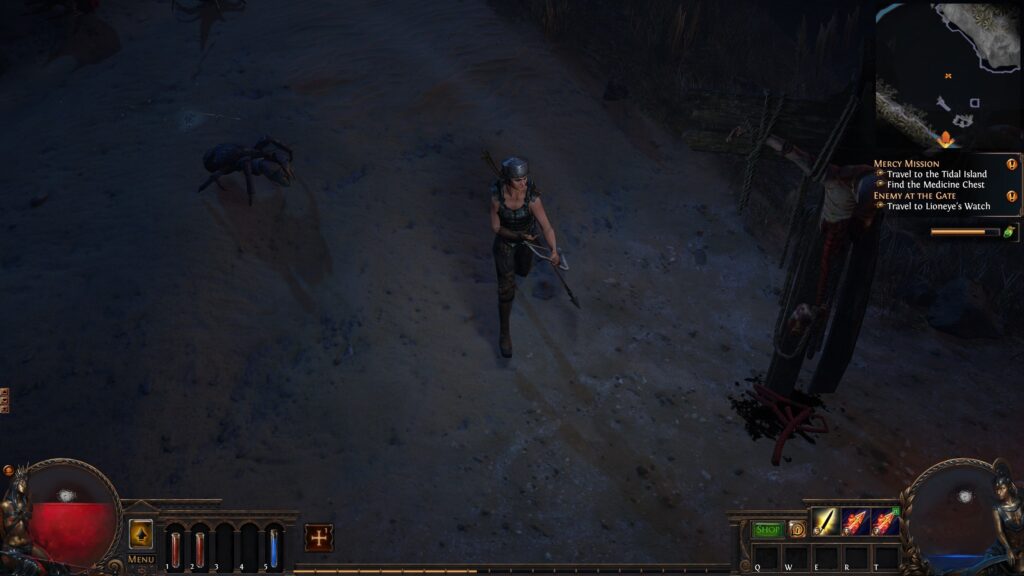
This shift rewards curiosity and adaptability, qualities that were often secondary under the previous linking model. Builds feel less like puzzles with fixed solutions and more like evolving systems that respond to player intent.
Conclusion
The gem link changes in Path of Exile Two mark the end of long-standing build habits that once defined progression.
By dismantling rigid link dependency, the game challenges players to unlearn comfort patterns and adopt a more flexible mindset. What emerges is a system that values understanding over preservation, signaling a decisive break from the past.