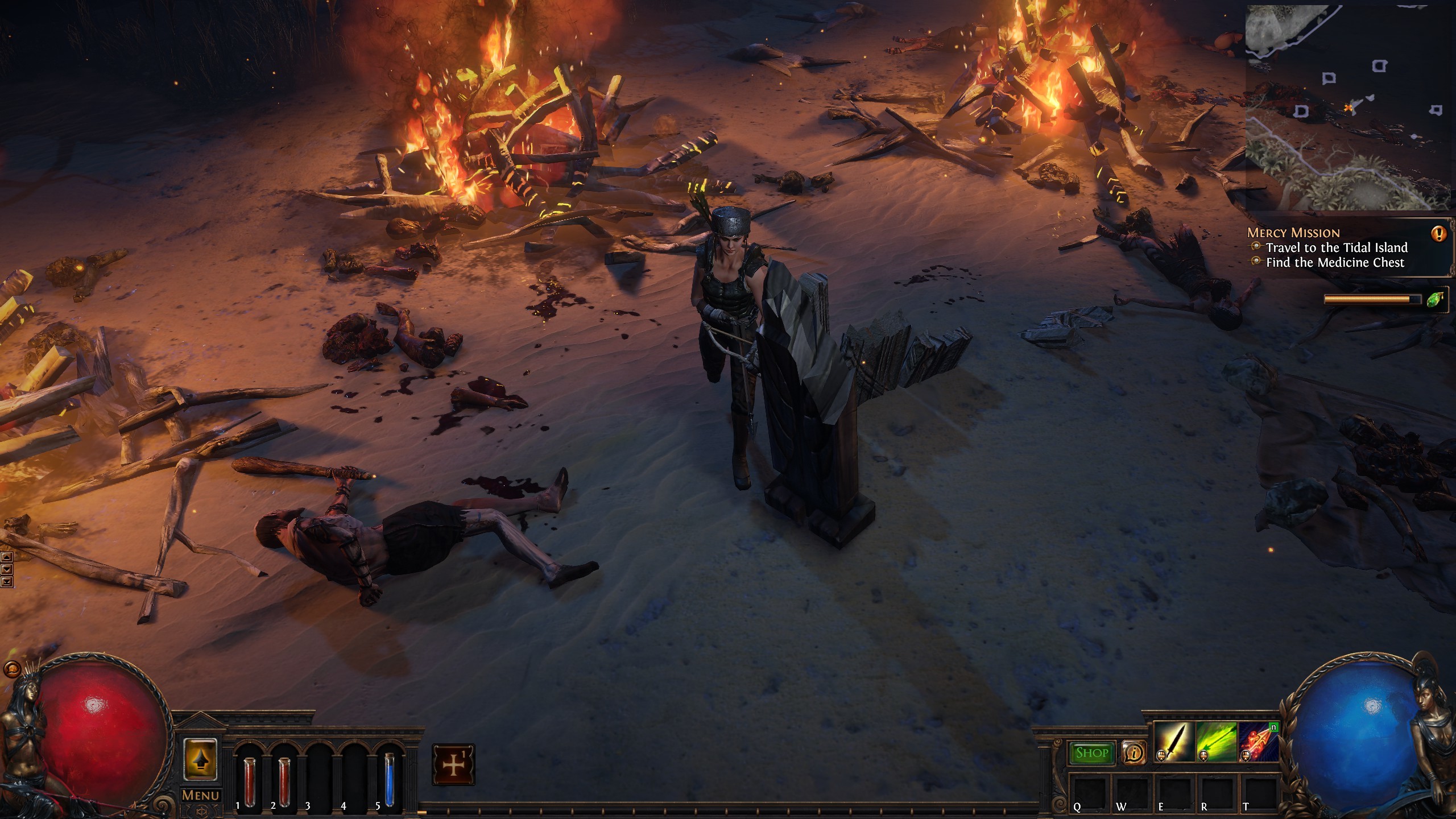
Weapon swapping in Path of Exile Two evolves from a niche mechanic into a central pillar of combat depth. Rather than serving as a passive convenience, swapping weapons becomes a deliberate tactical choice that expands situational control. Players are encouraged to adapt loadouts dynamically, responding to enemy behavior, terrain, and encounter pacing.
This added layer introduces meaningful decision-making within fights, transforming combat into a flexible system where preparation and awareness determine success. Weapon swap depth reinforces the game’s broader shift toward intentional play, rewarding those who plan beyond a single solution.
From Convenience to Core Mechanic
In earlier iterations, weapon swapping was often underutilized, limited to specific utility setups or niche builds. Path of Exile Two elevates this mechanic by integrating it more deeply into encounter design.
Players are presented with situations where no single weapon setup is optimal for every moment. This change encourages experimentation and strategic planning, as different weapon configurations serve distinct purposes. Swapping becomes a conscious action rather than an afterthought, demanding awareness of timing and opportunity cost.
Situational Control Through Loadout Flexibility
Weapon swapping allows players to assert control over varying combat scenarios. A defensive setup may stabilize dangerous phases, while an offensive configuration capitalizes on safe windows.
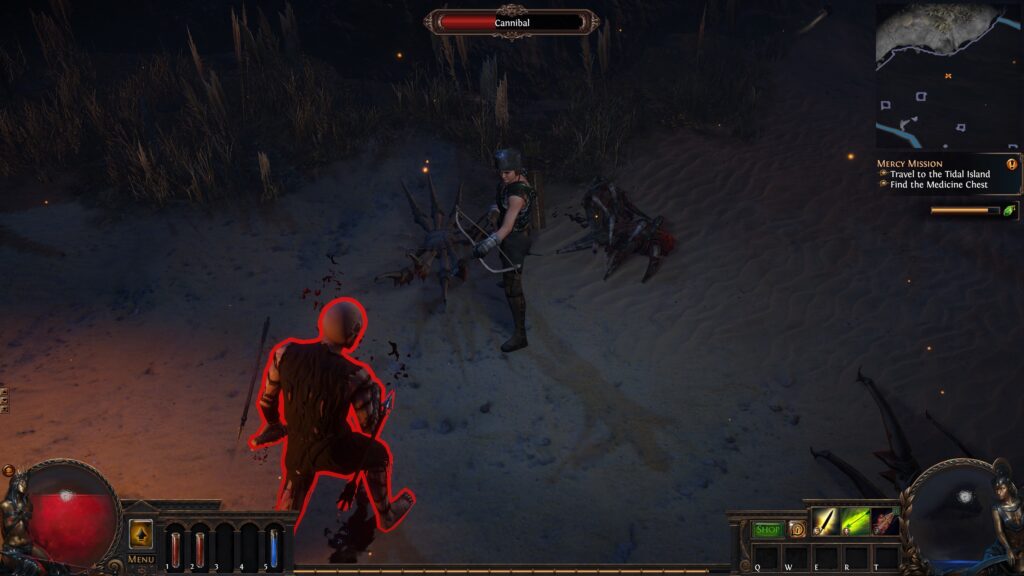
This flexibility empowers players to respond intelligently rather than reactively. Situational control emerges from understanding when to switch and why, reinforcing the importance of reading encounters accurately. Mistimed swaps carry risk, ensuring that decisions remain meaningful rather than automatic.
Skill Expression Beyond Raw Damage
Mastery of weapon swapping represents a form of skill expression that extends beyond numerical optimization. Players who use swaps effectively demonstrate encounter knowledge, foresight, and composure. This depth distinguishes experienced players without creating insurmountable barriers for newcomers. Because swaps are optional but powerful, they reward curiosity and practice rather than mandatory complexity. Over time, this system encourages players to think holistically about combat flow rather than relying on a single dominant approach.
Situations Where Weapon Swapping Creates Advantage
Weapon swapping becomes most impactful when applied thoughtfully to specific combat scenarios.
| Situation | Swap Purpose | Resulting Advantage |
|---|---|---|
| High-damage enemy phases | Defensive stabilization | Reduced risk of death |
| Clear damage windows | Offensive optimization | Faster phase transitions |
| Crowded environments | Control-oriented setup | Improved positioning control |
These scenarios highlight how swapping extends player agency without overwhelming complexity.
Learning Curve and Long-Term Mastery
While weapon swapping adds depth, it also introduces a learning curve that unfolds gradually. Early players may use it sparingly, while veterans integrate it seamlessly into combat flow.
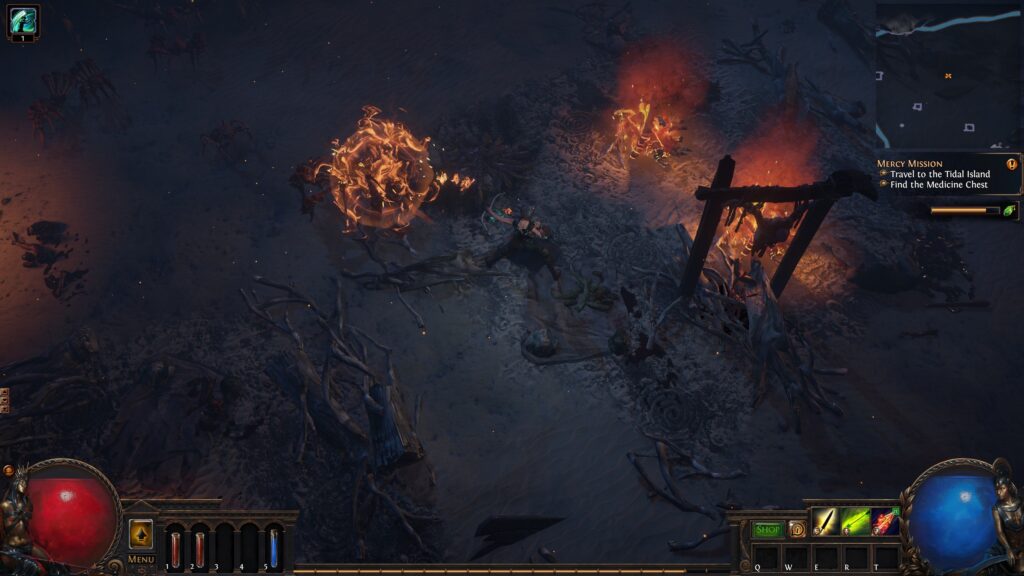
This layered mastery aligns with Path of Exile Two’s philosophy of rewarding intentional learning over time. As familiarity grows, swaps become intuitive rather than disruptive, enhancing control without breaking immersion.
Conclusion
Weapon swap depth in Path of Exile Two expands situational combat control by empowering players to adapt dynamically. Through deliberate use, swapping becomes an expression of mastery rather than complexity for its own sake.
In a combat system built around intention, flexibility becomes one of the strongest tools a player can wield.