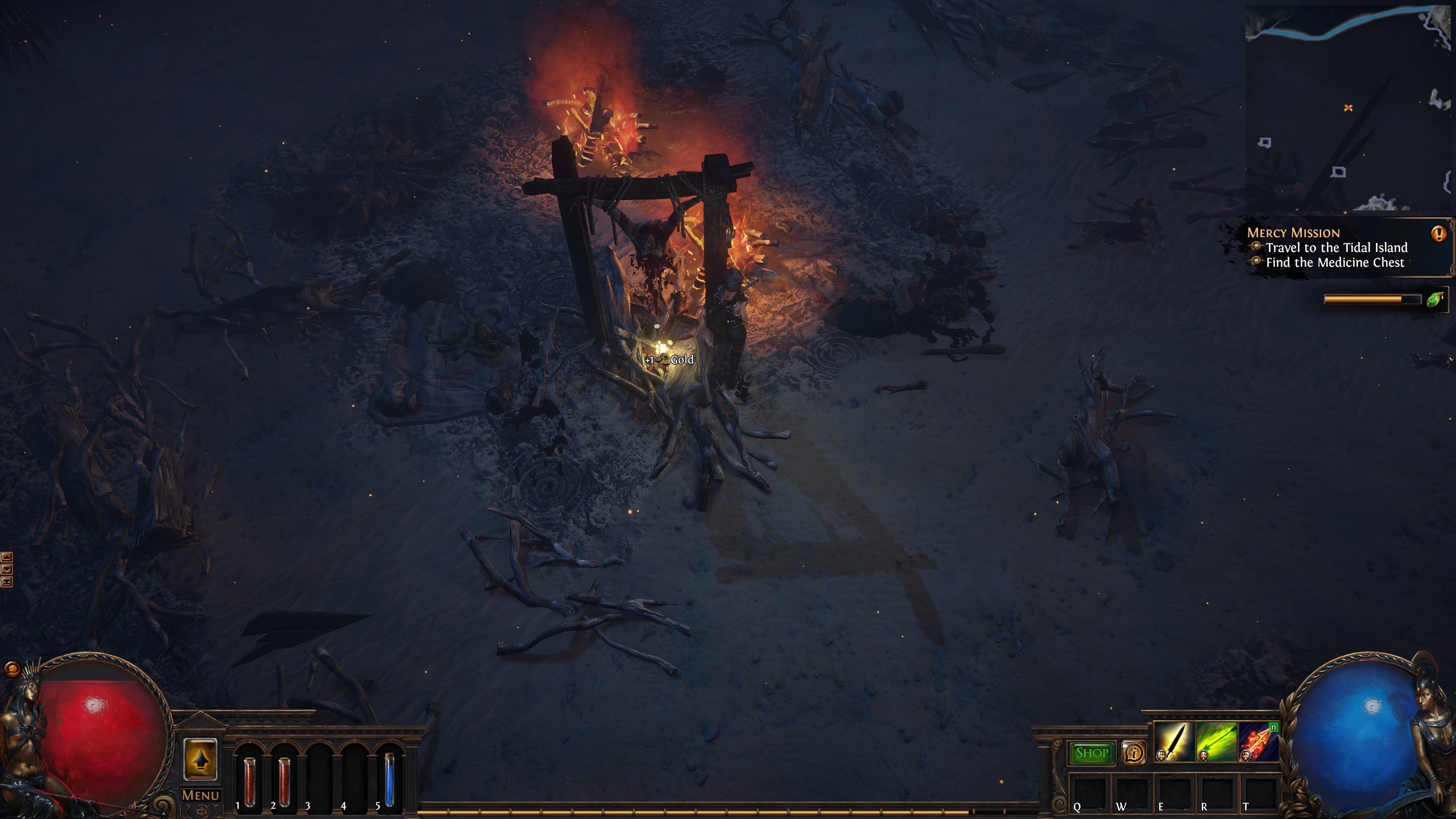
Path of Exile Two signals a clear shift in combat philosophy, moving away from reactive chaos toward deliberate, intentional play. While the original game often rewards overwhelming speed and screen-clearing power, the sequel emphasizes positioning, timing, and conscious decision-making.
Combat encounters feel designed to be read, understood, and responded to rather than brute-forced through damage alone. This change alters not only how characters fight, but how players think moment to moment. The shift toward intentional play encourages restraint, awareness, and planning, redefining mastery as control rather than excess. In this new direction, success is shaped by choices made before, during, and after each engagement.
Slower Pace Creating Space for Decisions
One of the most noticeable changes in Path of Exile Two combat is the pacing. Encounters unfold with clearer rhythms, allowing players time to assess threats instead of reacting blindly. This slower tempo does not reduce difficulty; it redistributes it. Players are expected to read enemy behavior, manage spacing, and choose responses deliberately.
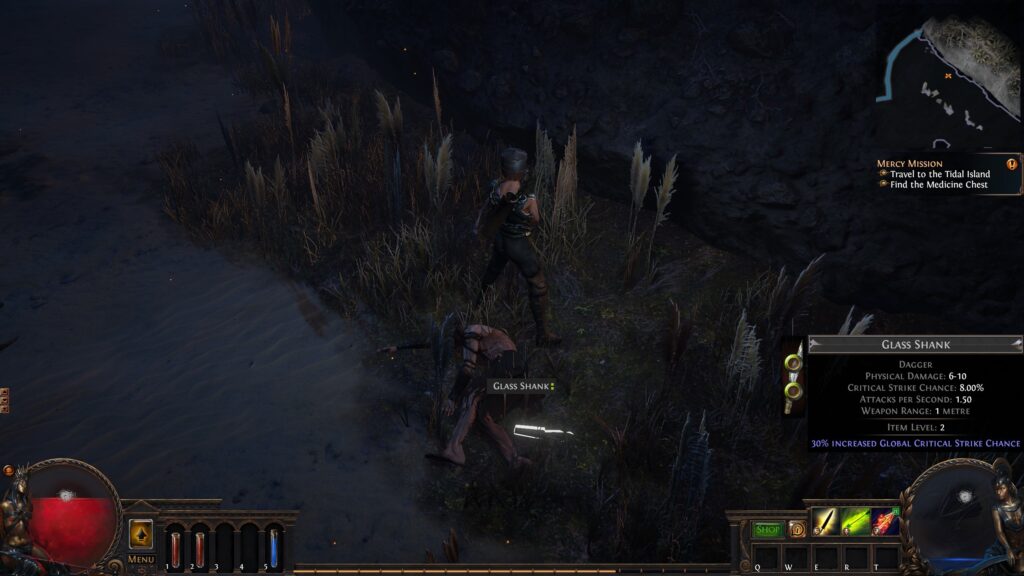
Mistakes are less likely to come from visual overload and more likely to stem from poor judgment. By creating space for decisions, the game rewards patience and foresight, encouraging players to think several seconds ahead rather than relying on reflex alone.
Enemy Design Reinforcing Intentional Engagement
Enemy behavior in Path of Exile Two reinforces this intentionality. Attacks are more telegraphed, patterns are more readable, and punishment for ignoring mechanics is more severe. Rather than flooding the screen with unpredictable threats, encounters challenge players to recognize danger and respond appropriately.
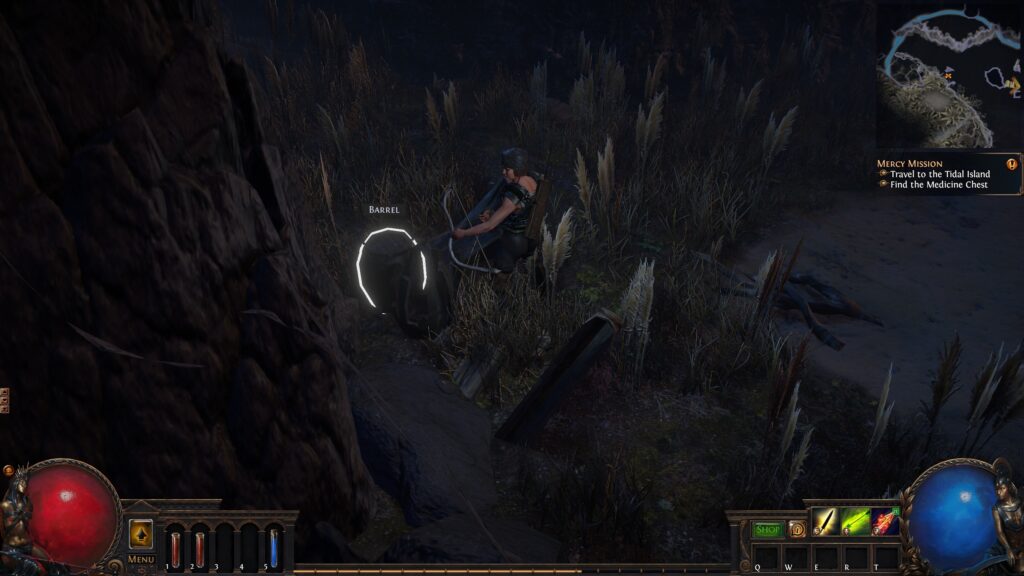
This design elevates positioning and movement to core combat skills. Players who engage thoughtfully, choosing when to advance or retreat, gain consistent advantage. Those who attempt to force encounters through damage alone often find themselves overwhelmed, highlighting the shift in design priorities.
Player Agency Through Measured Action
Intentional play restores a sense of agency that can be lost in high-speed environments. When outcomes are determined by conscious choices rather than reaction speed, players feel more responsible for success and failure alike. This agency encourages learning rather than frustration, as mistakes are easier to identify and correct. Combat becomes a dialogue between player and encounter, where understanding is rewarded over repetition. Over time, this measured approach deepens engagement, as progress feels earned through mastery rather than accidental survival.
Key Elements Supporting Intentional Combat Design
Several design principles work together to support the shift toward intentional play in Path of Exile Two.
- Clear enemy telegraphs that reward observation
- Reduced visual clutter to highlight meaningful threats
- Movement and positioning as core defensive tools
- Punishment for reckless engagement without preparation
These elements reinforce a combat environment where thoughtful play consistently outperforms impulsive action.
Long-Term Impact on Player Behavior
Over time, intentional combat reshapes how players approach progression. Builds are evaluated not just on damage output, but on control, flexibility, and survivability.
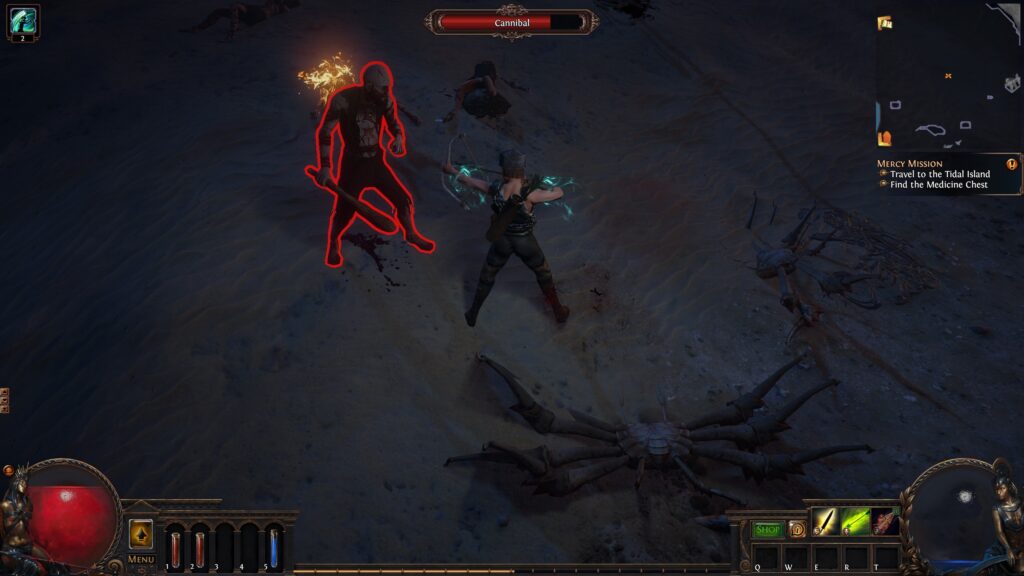
Players become more attentive, less frantic, and more confident in unfamiliar encounters. This behavioral shift encourages sustainable play habits, reducing burnout caused by constant sensory overload. The game feels demanding but fair, challenging players intellectually as much as mechanically.
Conclusion
Path of Exile Two’s combat direction represents a deliberate move toward intentional play, redefining mastery as control rather than speed.
By emphasizing clarity, positioning, and decision-making, the game rewards thoughtful engagement over brute force. This shift not only changes how combat feels, but how players learn, adapt, and grow within the world.